Affiliate Disclosure: This guide contains zero affiliate links. If that ever changes, we will say so right here.
By Renovation Guide HQ · Updated October 14, 2026
The Quick Answer: Hardwood Floor Installation Cost in 2026
Installing hardwood floors in 2026 costs $6 to $12 per square foot installed (materials + labor), according to Angi’s 2026 data. A typical 500 sq ft room lands between $3,400 and $13,000, while a full 2,000 sq ft main level runs $12,000 to $48,000. Most single-room projects take 2–4 days once the wood has acclimated; whole-house installs usually take 1–2 weeks.
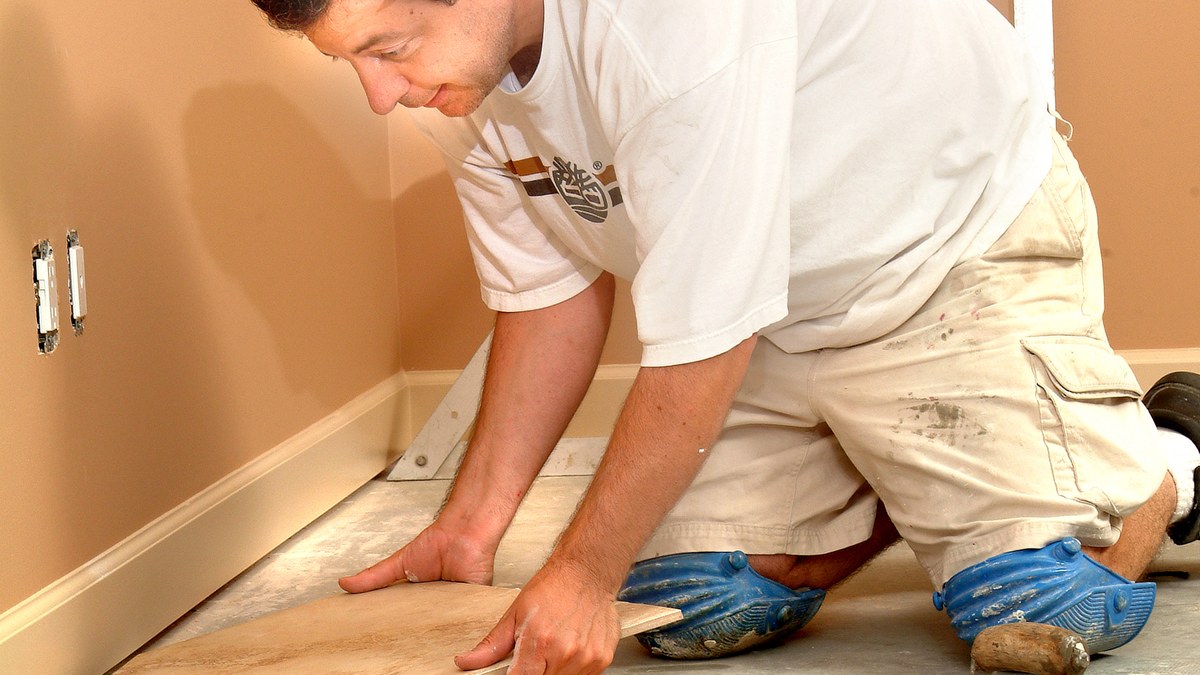
If you are comparing flooring types, start with our flooring cost per square foot guide — it benchmarks hardwood against vinyl plank, laminate, and tile so you can see where your money goes before you commit.
Hardwood Floor Installation Cost Table: Low, Average, High
| Budget Tier | Cost Per Sq Ft (Installed) | Labor vs. Materials Split | Timeline (500 sq ft) |
|---|---|---|---|
| Low — engineered, click-lock floating, minimal prep | $6–$8 | ~40% labor / ~60% materials | 2–3 days |
| Average — prefinished solid oak, nail-down, standard trims | $9–$13 | ~50% labor / ~50% materials | 3–4 days |
| High — wide-plank, exotic species, herringbone, heavy prep | $14–$25 | ~60–70% labor / ~30–40% materials | 5–10 days |
The labor share climbs the harder the job gets. On a typical installed hardwood job, materials account for roughly 30–50% of the total and labor plus install-related work (prep, demo, finishing) for 50–70%, according to Big Bro Hardwood’s 2026 breakdown. Glue-down installs, herringbone patterns, stairs, and heavy subfloor prep add hours — not material — so the labor percentage rises with complexity.
What You Pay for Materials vs. Labor Alone
| Component | Cost Per Sq Ft | Source |
|---|---|---|
| Solid hardwood materials | $5–$28 | Angi |
| Engineered hardwood materials | $4.50–$16 | Angi |
| Installation labor, nail-down | $3.50–$6.50 | Big Bro Hardwood |
| Installation labor, glue-down | $5.50–$9.50 | Big Bro Hardwood |
| Installation labor, floating click-lock | $3.00–$5.50 | Big Bro Hardwood |
| Site finishing (sand + stain + coats), labor | $1–$3 | cceonlinenews |
Rule to live by: before comparing bids, confirm whether each price is labor-only or materials + labor, and ask what is excluded — demo, subfloor work, moisture barrier, stairs, and trim are the five exclusions that generate change orders.
What $6,000 / $12,000 / $25,000 Actually Buys
$6,000 installs engineered click-lock hardwood in one ~500 sq ft living room on a level, dry subfloor — DIY-friendly product, pro floating install at $3–$5.50 per sq ft, with basic transitions included.
$12,000 covers ~800 sq ft of prefinished solid red oak with professional nail-down installation, new quarter-round trim, and old carpet removal. This is the most common “real home” scenario.
$25,000 funds ~1,000 sq ft of wide-plank white oak or engineered exotic with glue-down installation over concrete, subfloor leveling, moisture barrier, and a stair run at $150–$300 per step — the premium package.
Worked Budget Example: 800 Sq Ft Living + Dining (Prefinished Solid Red Oak)
Every line item below adds up. Read it as a checklist for what your bid should itemize — if a contractor’s quote skips any of these lines, ask where the cost hides.
| Line Item | Math | Cost |
|---|---|---|
| Prefinished red oak, 3¼ in. planks (800 sq ft + 10% waste = 880 sq ft) | 880 × $8.00 | $7,040 |
| Nail-down installation labor | 880 × $4.00 | $3,520 |
| 15# felt underlayment | 880 × $0.35 | $308 |
| Quarter-round + transitions (280 linear ft) | 280 × $2.25 | $630 |
| Old carpet removal + disposal | 800 × $2.00 | $1,600 |
| Furniture move-out | 4 hrs × $90 | $360 |
| Subfloor leveling allowance | flat | $500 |
| Total | $13,958 |
That is $17.45 per sq ft all-in — mid-premium territory, driven by solid hardwood rather than engineered. Switch the same project to engineered click-lock at $5.50 per sq ft installed and skip the carpet demo, and the same 800 sq ft room drops to roughly $9,500. Unit prices above are planning estimates inside the sourced ranges cited in this guide; your exact number comes from itemized bids.
Regional Cost Differences
Flooring labor follows local wage levels, not national averages. Here is how the U.S. breaks down (illustrative, based on regional project data):
- Northeast & West Coast metros (Boston, NYC, San Francisco): typically 15–25% above national average. A Boston-market project lands in the $10–$22 per sq ft all-in range, with labor roughly 10–20% above the national average, per Weles’ 2026 Boston data.
- Midwest & South (Ohio, Texas, Carolinas): typically at or 10–15% below the national average, with rural labor as low as $3–$5 per sq ft.
- Urban vs. rural: the same installation can cost twice as much in San Francisco as in central Ohio, driven almost entirely by labor rates — duramagicfloor’s 2026 breakdown notes urban rates of $6–$10 per sq ft labor vs. $3–$5 rural.
The material itself costs about the same everywhere — species and grade drive that number. What changes by ZIP code is the labor line and the subfloor prep your region’s housing stock tends to need (older homes = more leveling).
7 Cost Factors — Each With Its Dollar Impact
- Wood species. Domestic oak and maple materials run $4–$8 per sq ft; exotics like Brazilian cherry or teak run $8–$12, and white oak stretches to $12 at the high end (per cceonlinenews’ species pricing). Species choice alone can swing a 1,000 sq ft project by $4,000–$6,000.
- Solid vs. engineered. Solid hardwood installs at $5–$28 per sq ft; engineered at $4.50–$16 (Angi). Engineered saves $1,000–$3,000 on a typical room and is required over concrete or radiant heat.
- Installation method. Labor-only rates differ sharply by method: nail-down $3.50–$6.50, floating $3.00–$5.50, glue-down $5.50–$9.50 per sq ft (Big Bro Hardwood). Glue-down adds adhesive cost plus slower, messier labor.
- Pattern complexity. Standard straight lay is the baseline. Diagonal adds 10–15% in waste and labor; herringbone or chevron adds 25–40% in labor because every board is placed individually (duramagicfloor).
- Subfloor condition. Subfloor prep and leveling runs $1–$3 per sq ft and is the single most common overrun trigger — rarely included in a first quote, and the line item that turns a $5 per sq ft install into a 30% higher final invoice (AxiomLogica’s 2026 line-item analysis).
- Prefinished vs. site-finished. Prefinished boards cost more per box but need no sanding or coating after install. Unfinished solid wood is cheaper to buy, then site-finishing adds $1–$3 per sq ft of labor plus stain, and keeps the house dustier for days.
- Stairs and extras. Stair treads and risers run $150–$300 per step. Old floor removal adds $1–$2 per sq ft, moisture-barrier underlayment $0.50–$1.00, and trim/transition kits $300–$800 flat (AxiomLogica).
DIY vs. Hiring a Pro: Honest Comparison
| Task | Skill (1–5) | Tools Needed | DIY Time | Pro Cost |
|---|---|---|---|---|
| Floating click-lock engineered (one room) | 2 — handy homeowner | Tape, saw, tapping block, spacers, knee pads | 1 weekend | $3.00–$5.50/sq ft labor |
| Nail-down solid hardwood | 4 — experienced DIYer | Flooring nailer + compressor, miter saw, jamb saw, moisture meter | 2–4 days per room | $3.50–$6.50/sq ft labor |
| Site sand + stain + finish | 5 — leave to pros | Drum/edger sanders, dust control, stain, applicators | 3–5 days + learning curve | $1–$3/sq ft labor |
What DIY saves: eliminating pro labor saves roughly 50–70% of the project total — on the $13,958 example above, a competent DIY install of a floating floor would cut the bill by about $4,000–$6,000. The tradeoff is time, tool rentals, and the waste factor: pros order 10% overage; first-timers should order 12–15%.
Legal and safety limits: nailing, gluing, and floating flooring over a sound subfloor is cosmetic work — no permit is normally required under the IRC. The line where DIY stops is structural: sistering joists, replacing rotted subfloor sections, altering stair framing, or touching electrical (floor registers, underlayment over radiant heat wiring) all belong to licensed pros. Homes built before 1978 need EPA RRP lead-safe practices if you disturb painted surfaces — and any pre-1980 vinyl or adhesive underlayment should be tested for asbestos before demolition.
Step-by-Step Installation Process (With Time Per Step)
- Acclimate the wood (3–7 days). Stack unopened boxes in the installation room so the wood’s moisture matches your home. Skip this and you buy cupping, gaps, and buckles for free.
- Remove old flooring (4–8 hours per room). Pull carpet, pad, and staples; bag debris. Tile or glued vinyl takes longer — add a day.
- Prep the subfloor (4–12 hours). Screw down squeaky plywood, grind or feather high spots, and fill low ones. Flatness target: no more than 3/16 in. deviation over 10 ft.
- Lay moisture control (1–2 hours). Roll out 15# felt or an approved underlayment/moisture barrier per the product’s spec — required over concrete, recommended everywhere.
- Plan the layout (1–2 hours). Snap chalk lines, stagger end joints at least 6 in., and rack several rows dry so color and grain blend naturally.
- Install the flooring (1–3 days for a room). Nail, glue, or click each board; maintain ½–¾ in. expansion gaps at all walls.
- Trim and transitions (2–4 hours). Set shoe molding or quarter-round, door transitions, and stair nosings.
- Finish (prefinished: none; site-finished: 3–5 days). Sand, stain, and apply 2–3 polyurethane coats, with cure time between coats.
- Cleanup and walkthrough (2–3 hours). Remove dust, reinstall doors if needed, and inspect under raking light for defects before final payment.
Materials & Tools List
Materials: hardwood flooring (sq ft + 10–15% waste), underlayment/moisture barrier, flooring nails or adhesive (method-specific), quarter-round or shoe molding, transition strips, wood filler, and polyurethane if site-finishing.
DIY tools: tape measure, chalk line, miter saw, jamb saw or oscillating tool, flooring nailer + air compressor (nail-down), trowel (glue-down), tapping block and pull bar (floating), spacers, moisture meter, knee pads, and a shop vac. Budget $150–$300 for a weekend flooring-nailer rental if you are not buying.
7 Mistakes Contractors See (and Charge to Fix)
- Skipping acclimation. Boards installed “tight and pretty” in winter gap wide open by summer — a $2,000–$4,000 re-install.
- Installing over an out-of-spec subfloor. Anything over 3/16 in. out of flat in 10 ft telegraphs through the floor and voids warranties.
- Wrong moisture reading. Pros test both the wood and the subfloor; installing at more than a few percentage points of difference guarantees cupping.
- Buying exact square footage. With zero waste allowance, the last row runs short and the patch job is visible forever. Order 10–15% extra.
- Running boards parallel to floor joists on a single-layer subfloor. This invites deflection and squeaks — boards should run perpendicular to joists unless a second plywood layer goes down first.
- Ignoring expansion gaps. Tucking boards tight to walls looks clean on day one and buckles in the first humid season.
- Hiring on price alone. The cheapest bid almost always omitted subfloor prep, demo, or trim — and those become change orders at full markup.
Permits & Safety
Permits: replacing flooring over a sound subfloor is cosmetic under the IRC and typically needs no permit. You do need one when the job touches structure — replacing rotted subfloor, sistering joists, or altering stairs — so check your local building department before opening the floor.
Lead and asbestos: in homes built before 1978, follow EPA RRP lead-safe work practices whenever you disturb painted baseboards or trim. Pre-1980 vinyl sheet, tile, or cutback adhesive can contain asbestos — test before demolition, and if it is positive, hire a licensed abatement contractor rather than DIYing the tear-out.
Dust and finish fumes: sanding generates fine dust; use a respirator (not a paper dust mask) and seal the room. Oil-based finishes need ventilation and no ignition sources until cured — plan 24–72 hours of off-gassing before moving furniture back.
How to Hire a Hardwood Floor Contractor: 6 Questions + Red Flags
Ask these six:
- Is this quote labor-only or materials + labor — and exactly which line items are excluded?
- How will you handle subfloor prep, and is a flatness measurement part of your estimate?
- What moisture readings will you take, and what is your go/no-go threshold?
- Who does the demo, disposal, furniture move, and trim — you or a sub?
- How many coats of finish, what brand, and how many cure days before we move in?
- What is your written warranty on workmanship, and who do I call for a cupping or squeak claim?
Red flags: a single “supply and install” number with no line items; no moisture meter on the first visit; no questions about your subfloor; cash-only pricing; no proof of insurance; pressure to sign today.
License check: look the contractor up on your state’s contractor license board website (most states let you verify online in minutes), and confirm general liability + workers’ comp insurance are current.
Get your hardwood flooring done right. Three itemized quotes, one informed decision. Contact us for contractor vetting help and a free quote comparison.
Financing Options
General information only — no specific rates are quoted here because rates move constantly.
- HELOC (home equity line of credit): flexible draw for phased installs; good when you are doing one room now and the rest later.
- Home equity loan: lump sum with a fixed schedule; fits a single defined project with an itemized quote in hand.
- Cash-out refinance: replaces your mortgage and pulls cash out; worth evaluating only when the overall math improves your position.
- Personal loan: no equity required and faster to close, usually at a higher cost of borrowing — best for smaller rooms.
Hardwood Floor Installation Cost by Room Size
The per-square-foot rate is only half the story. Small rooms cost more per square foot than whole floors because every job carries the same mobilization cost — crew travel, setup, and minimum charges — whether the room is 150 sq ft or 2,000. Angi’s 2026 room-size totals make the pattern visible:
| Room Size | Installed Cost (2026) | What That Looks Like |
|---|---|---|
| 150 sq ft | $1,100–$3,800 | Small bedroom or large entry |
| 250 sq ft | $1,800–$6,300 | Standard bedroom |
| 500 sq ft | $3,400–$13,000 | Living room or open bedroom suite |
| 1,000 sq ft | $6,000–$24,000 | Several rooms or a small main level |
| 1,200 sq ft | $8,500–$31,500 | Full main level, average home |
| 1,500 sq ft | $10,000–$36,400 | Large main level |
| 2,000 sq ft | $12,000–$48,000 | Whole main level, premium finishes at the top end |
The 500 sq ft and 2,000 sq ft rows match the Quick Answer above, which is a good consistency check: the same Angi dataset sits behind both. The practical takeaway is to get small-room quotes as a flat project price, not a per-square-foot rate — a contractor’s minimum charge can make a 150 sq ft job look expensive per foot while still being cheap in total.
Hardwood Flooring Cost by Species (Materials Only)
Species is the biggest material-cost lever, and it is worth separating material from installed price so you can see it clearly. Modernize’s materials-only bands, with $3–$8 per sq ft of professional installation added on top:
| Species | Materials Only, per Sq Ft | Tier |
|---|---|---|
| Pine | $4.50–$6.50 | Budget domestic |
| Red oak | $5–$10 | Benchmark domestic — the most common flooring hardwood |
| Maple | $6.50–$11 | Budget domestic, hard and pale |
| Ash | $9–$13 | Mid-range, bold grain |
| Cherry | $5–$15 | Mid-range, wide range by grade and source |
| Imported mahogany | $8–$18 | High end |
| Imported walnut | $11–$20 | High end |
Compare this with the species paragraph in the cost factors above: domestic oak and maple at $4–$8 and exotics at $8–$12 describe a narrower, mid-market slice of the same market. The table above is the fuller picture — premium grades and imports stretch well past $12 per sq ft for materials alone.
One range to reconcile, not replace: Modernize puts engineered hardwood materials at $3–$12 per sq ft, while this guide (following Angi) uses $4.50–$16. The bands overlap heavily; the difference is product scope, with Angi’s top end covering premium wide-plank engineered products. We keep Angi’s band because it is the source cited throughout this guide — but if a bid quotes engineered materials under $4.50 per sq ft, it is not automatically wrong; ask what product tier it is.
Parquet: Genuine vs Faux
Parquet — the geometric mosaic pattern made from small wood blocks — is the one hardwood format this guide had not priced. Angi’s 2026 figures draw a sharp line between the real thing and the lookalike:
| Parquet Type | Cost per Sq Ft |
|---|---|
| Genuine parquet (individual blocks, site-finished) | $20–$45 |
| Faux parquet (printed or veneer panels mimicking the pattern) | $7–$15 |
Genuine parquet costs as much as a premium install because every block is placed and the whole floor is sanded and finished on site. Faux parquet gets the pattern at standard hardwood prices but cannot be refinished the same way — the pattern layer is thin. If a bid says “parquet” without specifying which, ask: genuine blocks or printed panels?
Refinishing vs Replacing: The Cheaper Path You May Already Own
If your home already has hardwood under carpet or under a worn finish, refinishing — not replacement — is usually the right first quote. Refinishing runs $3–$8 per sq ft (Angi), against $6–$12 per sq ft installed for new hardwood, and the gap widens on big floors.
There are two distinct refinish jobs, and bids sometimes blur them:
| Refinish Type | What Happens | Best For |
|---|---|---|
| Screen and recoat | Light buffing plus a new topcoat, no full sanding | Floors with minor wear and an intact finish |
| Full sand, stain, and recoat | Sanding to bare wood, new stain, 2–3 finish coats | Deep scratches, water stains, heavy traffic damage |
The refinish ceiling depends on construction. Most solid hardwood floors can be sanded and refinished five to 10 times over their lifespan; engineered floors with a thicker veneer manage once or twice, and thin-veneer engineered floors are best limited to light surface touch-ups. Replacement is the right call only when boards are rotted, severely warped, or sanded so thin the nails show.
Refinish vs replace, side by side:
| Refinish | Replace | |
|---|---|---|
| Cost per sq ft | $3–$8 | $6–$12 installed (up to $25 premium) |
| Best when | Structure sound, finish worn | Boards rotted, warped, or sanded out |
| Disruption | Days, plus cure time | 1–2 weeks, plus demo and disposal |
| Repeatability | 5–10 times (solid) | Resets the clock entirely |
For the full refinish breakdown — costs by wood type, the DIY question, and when to hire out — see our hardwood floor refinishing cost guide and our refinishing DIY guide.
Resale Value and ROI: What Hardwood Returns
Hardwood is one of the few flooring projects with a documented resale return above 100%. The National Association of Realtors (NAR) / National Association of the Remodeling Industry (NARI) Remodeling Impact Report — the edition most often cited for these figures — put the numbers this way: refinishing hardwood floors cost an estimated $3,400 and added an estimated $5,000 in value at resale, a 147% cost recovery; installing new wood flooring cost an estimated $5,500 and added an estimated $6,500, a 118% recovery. Both projects also earned a perfect 10 Joy Score for homeowner satisfaction.
Read those percentages honestly: they are Realtors’ estimates of added resale value compared against remodelers’ cost estimates for a standard project — not a guarantee that your invoice comes back at sale. Local markets, floor condition, and how much of the house is hardwood all move the real number. What the figures do establish is the direction: among interior projects, hardwood sits at the top of the resale-value table, and refinishing an existing floor is the single highest-returning project in the report.
Cost per year reframes the sticker price. A well-maintained solid hardwood floor lasts 50–100 years with periodic refinishing, while carpet, laminate, and vinyl typically need full replacement every 10–20 years. On the worked example above, $13,958 spread over 50 years is about $279 per year of floor — before counting the avoided replacement cycles that cheaper flooring would have needed in the same span. That is the value argument behind the upfront number, and it is why hardwood survives cost comparisons that it loses on day one.
Hardwood Floor Repair Costs
Not every damaged floor needs refinishing, and not every repair needs a contractor. Modernize’s repair bands give a realistic scale:
| Repair Scope | Typical Cost |
|---|---|
| Minor repairs / touch-ups (filling deep scratches, tightening a few boards, spot staining) | $100–$400 |
| Minor hardwood floor repairs (a few damaged boards, deep gouges, small water damage) | $250–$1,000 |
| Typical single-area repair (scratch repair, small patching, minor squeaks or cupping) | $500–$1,500 |
| Moderate repairs (several boards or a small area) | $500–$2,500 |
| Severe / water damage (larger areas, drying, subfloor repair) | $1,000–$6,000+ |
Major repairs involving subfloor damage or widespread board replacement can approach — or exceed — the cost of a full room installation, which is the point where replacement stops being the expensive option and starts being the sensible one. The repair price also depends on matching: common domestic boards are cheap to source, while an exotic species that has been discontinued can cost more to match than to replace.
Janka Hardness: Picking a Species That Survives Your Household
The Janka hardness test measures the force needed to embed a steel ball halfway into a wood sample. Higher numbers mean greater dent resistance — the single most useful predictor of how a floor handles dogs, kids, and dragged furniture. Red oak at 1,290 lbf is the industry benchmark; everything else reads against it:
| Species | Janka Hardness (lbf) | What It Means for a Floor |
|---|---|---|
| Pine (southern yellow, longleaf) | 870 | Soft — dents easily; farmhouse look where patina is the point |
| Cherry (black cherry) | 950 | Softer than oak — best in low-traffic rooms |
| Red oak | 1,290 | Benchmark — the standard everything is compared to |
| Ash (white ash) | 1,320 | Slightly harder than red oak, bold grain |
| Hard maple (sugar maple) | 1,450 | High-traffic choice — the wood of basketball courts |
| Hickory | 1,820 | Toughest common domestic — about 41% harder than red oak |
| Brazilian cherry (jatoba) | 2,350 | Exotic hardness at an exotic price |
Two cautions. First, hardness does not change installation pricing — a hickory floor costs more because the wood costs more, not because it is harder to nail down. Second, even high-Janka species dent: hardness buys resistance, not immunity, and felt pads under furniture still matter.
Hardwood Flooring Pros and Cons
This guide has priced the factors and the mistakes. Here is the balanced version, for the household deciding whether hardwood is right at all:
Pros: easy to clean — no dust, dander, or allergens trapped the way carpet traps them; long-lasting — refinishing extends the floor for generations; hypoallergenic — no dust mites, pet dander, or mold spores harbored in the surface; strong resale value — among the highest documented ROIs of any flooring category; design flexibility — a neutral foundation that survives changes in rugs, furniture, and paint.
Cons: higher upfront cost than carpet, laminate, or luxury vinyl plank in most cases, especially for premium or exotic species; susceptible to water damage — repeated moisture buckles, warps, or cups boards, and hardwood is not recommended for full bathrooms, laundry rooms, or damp below-grade spaces; noise — hardwood transmits foot traffic to rooms below in a way carpet absorbs (area rugs and acoustic underlayment help); scratches and dents — even high-Janka species show wear from pets and furniture legs over time.
Small Details That Move the Price
Four line items that rarely make the headline number but regularly appear on the final invoice:
- Plank width and length. Wider planks — typically 6 to 12 inches across — cost more per sq ft than standard 3-inch strips, with fewer seams and a larger-feeling room as the payoff. Longer planks reduce end joints but can be harder to install over irregular subfloors.
- Grade. Grade changes price, not durability. Higher grades mean more consistent color and fewer knots; lower grades show more natural variation and character at a lower price. Do not pay a premium grade price for a durability claim — grade is appearance.
- Underlayment, itemized. Underlayment materials run $0.40–$2.50 per sq ft (foam, cork, rubber, or acoustic mats), and labor is $3–$5 per sq ft if charged separately. Many contractors bundle it into the per-square-foot price — the factors section above cites a $0.50–$1.00 moisture-barrier line, which is the barrier-only slice of this fuller underlayment range. Confirm which one your bid includes.
- Trim and removal, priced two ways. Trim appears in this guide as a $300–$800 flat kit, but Modernize prices installed trim at $4–$10 per linear foot — on the worked example’s 280 linear ft, that framing implies $1,120–$2,800 rather than $630. The difference is scope: basic quarter-round at a flat rate versus a full installed trim package with staining. Likewise, removal in this guide is $1–$2 per sq ft, while Modernize cites $1.50–$4.50 — carpet and pad sit at the low end, glued-down hardwood or ceramic tile at the high end. When bids disagree on these lines, the first question is always which scope each bid priced.
Hardwood Flooring FAQs
How much does it cost to install hardwood floors per square foot?
The national average is $6–$12 per sq ft installed (materials + labor), per Angi’s 2026 data. Budget projects with engineered floating floors start near $6; premium installs with wide-plank or exotic species reach $13–$25 per sq ft.
What is the cheapest way to get hardwood floors?
Engineered click-lock hardwood at roughly $6–$8 per sq ft installed is the cheapest hardwood path — the product costs $4.50–$16 per sq ft and floating labor runs $3.00–$5.50. Buying during retailer sales and clearing the room yourself shave further dollars.
Is solid or engineered hardwood cheaper to install?
Engineered is cheaper on both sides: materials $4.50–$16 vs. $5–$28 for solid (Angi), and it can be installed floating at $3.00–$5.50 per sq ft vs. nail-down at $3.50–$6.50. Engineered is also the right choice over concrete or radiant heat, where solid wood is not recommended.
Can hardwood flooring be installed over concrete?
Yes — with engineered hardwood only, using glue-down ($5.50–$9.50 per sq ft labor) or floating installation, plus a moisture barrier ($0.50–$1.00 per sq ft). Solid hardwood over concrete is not recommended because moisture wicking causes cupping and warping.
How long does hardwood floor installation take?
One room (300–500 sq ft): 2–4 days for pros, plus 3–7 days of acclimation before work starts. A full main level (1,000–1,500 sq ft): 5–10 working days. Site-finished floors add 3–5 days for sanding, staining, and polyurethane cure time.
How much can I save installing hardwood floors myself?
DIY saves the labor line — roughly 50–70% of the project total, or $4,000–$6,000 on a typical $12,000 room. Floating engineered floors are the realistic DIY path (skill 2/5, one weekend). Nail-down solid hardwood and site finishing are pro territory for most homeowners.
Is refinishing hardwood floors worth it vs replacing them?
Usually, yes — refinishing costs $3–$8 per sq ft against $6–$12 per sq ft installed for new hardwood, and a solid floor can be refinished five to 10 times. Replacement wins only when boards are rotted, severely warped, or sanded so thin the nails show. If the structure is sound and only the finish is worn, get a refinish quote first.
Which hardwood species is hardest — and best for pets and kids?
By Janka hardness: hickory (1,820 lbf) is the toughest common domestic species, followed by hard maple (1,450), with red oak (1,290) as the benchmark. Pine (870) and cherry (950) are softer and show wear faster in high-traffic rooms. Hardness buys dent resistance, not immunity — felt pads under furniture still matter on any species.
How much does hardwood flooring add to home value?
The NAR/NARI Remodeling Impact Report estimates new wood flooring recovers about 118% of its cost at resale and refinishing about 147% — the two highest returns among interior projects in that report. Treat those as Realtors’ estimates for a standard project, not a guarantee: local markets and floor condition move the real number.
Does hardwood flooring last longer than carpet or laminate?
Yes, by a wide margin. A well-maintained solid hardwood floor lasts 50–100 years with periodic refinishing, while carpet, laminate, and vinyl typically need full replacement every 10–20 years. That replacement cycle is why hardwood’s cost per year ends up among the lowest of any residential flooring despite the highest upfront price.
The Bottom Line
Budget $6–$12 per sq ft installed for hardwood floors in 2026, lean toward engineered if your subfloor is concrete or your budget is tight, and never sign a bid that is not itemized line by line. Compare that number against the full flooring cost guide to confirm hardwood is the right material before you buy. Then get 3 quotes — and make sure every one includes subfloor prep, demo, and trim in writing.