
Disclosure: RenovationGuideHQ runs no affiliate links on this guide. The costs below are independent planning figures from published sources and contractor pricing data — no company paid for placement.
By Renovation Guide HQ
Updated: October 2026
Painting a house exterior costs $1,819 to $4,551 in 2026, averaging $3,178 per Angi data from over 39,000 projects. That works out to $1.50–$4 per square foot of paintable area. A one-story ranch lands near $1,500–$3,500; a two-story home runs $3,000–$6,200. Most pro jobs take 3–7 days.
This guide is part of our Painting & Drywall series — after exterior costs, see our breakdown of interior painting costs per square foot.
Exterior House Painting Cost: The Big Table
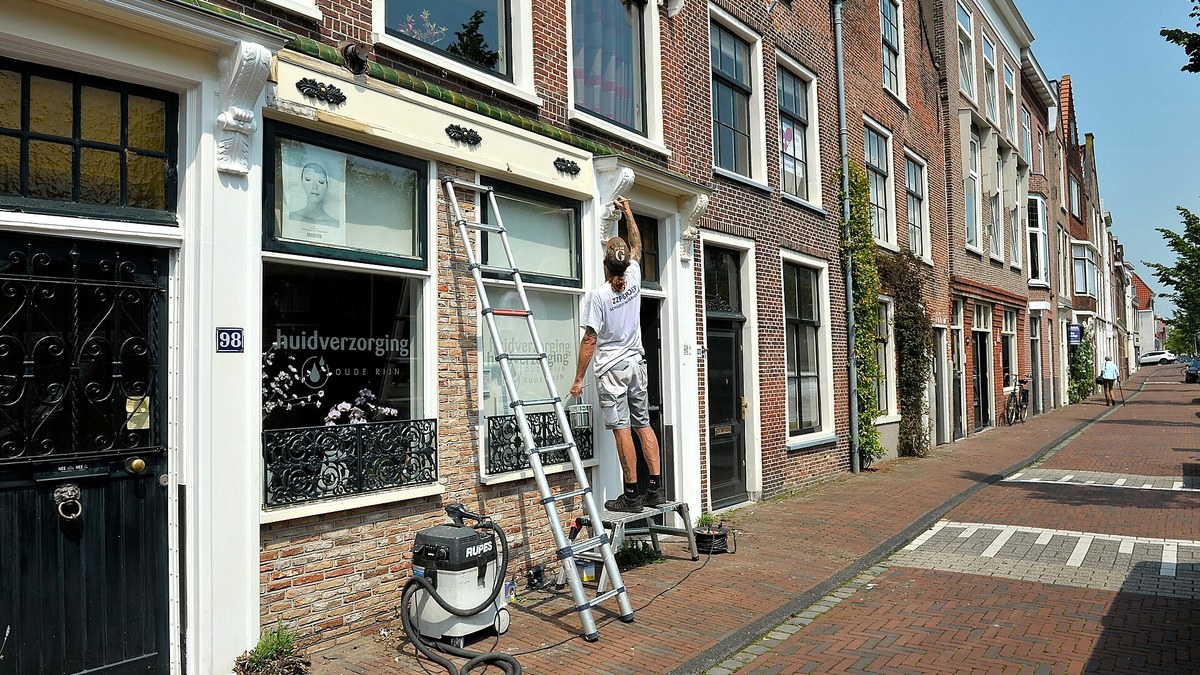
Three things set your price: how much surface gets painted, how tall the house is, and what condition the siding is in. Based on Angi’s 2026 data:
| Tier | What it includes | Typical cost | Timeline (2,000 sq ft home) |
|---|---|---|---|
| Budget refresh | One-story, vinyl or fiber cement, light prep, mid-grade paint | $1,819–$3,000 | 2–3 days |
| Average repaint | Two coats, standard prep (wash, scrape, caulk), mid-grade paint | $3,178–$6,200 | 3–5 days |
| Premium / complex | Two-story+, stucco or brick, heavy prep, premium paint | $6,200–$7,700+ | 5–7 days |
| Prep-heavy / historic | Peeling paint, wood repair, lead-safe practices | $8,500–$24,000+ | 7–14 days |
Labor is 70–80% of the total, so prep work moves the number more than the paint brand does. Projects with peeling paint, repairs, or lead-safe work can land far above the average — one cost-tracking site prices prep-heavy exterior repaints at $8,500–$24,000+.
Cost by House Size and Number of Stories
Angi’s story-height breakdown is the clearest way to place your home:
| Stories | Typical paintable area | Average cost |
|---|---|---|
| Single story | 1,000–1,500 sq ft | $1,500–$3,500 |
| Two stories | 1,500–2,500 sq ft | $3,000–$6,200 |
| Three stories | 2,500–3,000 sq ft | $4,500–$10,000+ |
Height adds cost in steep steps, not gentle ones. Angi reports labor surcharges of +30% above 8 feet, +60% above 13 feet, +90% above 17 feet, and +120% above 19 feet. That is why a two-story quote can run 25–50% higher than the same floor plan as a ranch — ladders, scaffolding, and slower, safer work.
Cost by Siding Type
Not all siding paints equally. Porous or fragile surfaces eat more paint and prep time:
| Siding type | Cost per sq ft (paintable) | Why |
|---|---|---|
| Vinyl | $1.25–$3 | Smooth, easy to coat; needs the right primer to bond |
| Wood | $1–$3 | Sealant, caulking, and frequent rot repair |
| Fiber cement | $2–$5 | Holds paint well, moderate prep |
| Aluminum / metal | $1.50–$2.50 | Must be cleaned and primed for adhesion |
| Stucco | $1.50–$4 | Porous; cracks need repair and it drinks paint |
| Brick | $1.50–$2.50 | Heavy prep and specialty primer; averages $3,500–$10,000 per project |
| Concrete / masonry | $1–$3.50 | Porous surface, extra primer coats |
Note these are per square foot of paintable surface, not floor area. Painting only the trim, soffits, fascia, and second-story siding on a mostly-brick home can cut the bill dramatically versus painting every wall.
What $2,000 / $4,000 / $7,000 Actually Buys
At $2,000 (planning estimate): a small one-story home or a partial job — siding on a ranch, or trim, doors, and shutters on a larger house. Light prep, mid-grade paint, one crew, two days. Don’t expect wood repair or scaffolding at this price.
At $4,000 (planning estimate): the classic two-coat repaint of an average single-story home — power wash, scrape, caulk, spot-prime, two coats of mid-grade acrylic, trim included. This is the band the Angi average of $3,178 sits in, and where most suburban repaints land.
At $7,000 (planning estimate): a two-story home with good access, stucco or brick, premium paint, full trim detail, and a few repaired boards or patched stucco. Expect a 3-person crew for 5–6 days and a written warranty on the work.
Worked Example: A 1,600 Sq Ft Single-Story Ranch
Real numbers for a typical project: 1,600 sq ft ranch, vinyl siding in good condition, painted walls plus trim, soffits, and two doors. Paintable area works out near 1,600 sq ft. Line items built from Angi’s 2026 ranges (planning estimate):
| Line item | Cost |
|---|---|
| Power washing (1 day) | $250 |
| Prep labor: scrape, caulk, sand, mask | $650 |
| Spot primer + supplies (tape, caulk, plastic) | $200 |
| Paint: 12 gallons premium exterior at $60/gal | $720 |
| Application labor: spray + back-roll, trim, doors (2 coats) | $1,580 |
| Pro total | $3,400 |
The math checks against Angi’s single-story band of $1,500–$3,500. DIY version: the same 12 gallons plus a sprayer rental and supplies runs about $1,000 in materials (planning estimate) — so a skilled DIYer saves roughly $2,400 on this house, minus two full weekends of work.
Regional Cost Differences
Exterior painting prices track local labor rates. The ranges below are illustrative planning estimates — use them to adjust the national numbers above, not as quotes:
| Region | Adjustment vs. national average | What a $3,178 average job becomes |
|---|---|---|
| Northeast, West Coast metros | 15–25% above | $3,650–$3,970 |
| National average (planning baseline) | — | $3,178 |
| South, Midwest | 10–15% below | $2,700–$2,860 |
Coastal and high-cost metros also tend to have stricter prep expectations and HOA finish standards, which push quotes up beyond the pure labor-rate difference.
7 Cost Factors That Move Your Quote
- Paintable area (the big one). Pros price at $1.50–$4 per square foot of paintable surface. Measure wall area, not floor area — dormers, gables, and deep trim runs add surface fast. Impact: ±$1,500+ between small and large homes.
- Number of stories. Two-story homes cost up to 50% more than one-story; three-story homes start around $4,500. Impact: +$1,000–$3,500.
- Siding type. Vinyl is cheapest to coat; brick and stucco need specialty primers and more gallons. See the siding table above. Impact: ±$1–$3 per sq ft.
- Prep condition. Light prep (wash, minor caulk) is included in most quotes. Heavy scraping, sanding, wood rot repair, or coating removal adds 20–50% (planning estimate). Power washing and permits add $200–$300 where applicable.
- Paint quality. Premium exterior paint runs $50+/gallon and costs 60–100% more than contractor-grade — but premium systems last 8–10 years versus 5–7 for mid-grade. On a whole house, the upgrade is usually a few hundred dollars. Impact: +$300–$600.
- Access and height. Steep lots, three-story walls, and tight side yards need lifts or extra scaffolding. Angi’s height surcharges reach +120% above 19 feet. Impact: +$500–$2,000 (planning estimate).
- Color change. Going dark-to-light (or light-to-dark) usually needs a full extra coat, adding roughly a third more paint and labor. Impact: +$800–$1,500 (planning estimate).
DIY vs. Hiring a Pro
| DIY | Pro | |
|---|---|---|
| Skill level (1–5) | 3 — spraying and ladder work take practice | — |
| Cost (1,600 sq ft ranch) | ~$1,000 materials (planning estimate) | $1,500–$3,500 |
| Time | 2–3 full weekends | 3–7 days for a crew |
| Savings | ~$2,000–$2,400 | Warranty + speed |
| Tools needed | Ladder, sprayer (rental ~$80/day, planning estimate), brushes, rollers, pressure washer | Included |
DIY is realistic for a one-story home with simple siding and sound existing paint: wash, spot-prime, and roll or spray two coats. Hire a pro when the job involves second-story+ work, failing paint, wood rot, stucco repair, or a pre-1978 home (lead-safe rules apply). Ladder falls are one of the most common homeowner injuries — two-story work from ladders is where most DIY exterior projects should stop.
Permit and legal limits: painting itself rarely needs a building permit, but lead paint work on pre-1978 homes is federally regulated — contractors must be EPA lead-safe certified when disturbing old paint. Siding replacement or structural repair can trigger permits; check with your local building department.
Step-by-Step: How a Pro Exterior Repaint Runs
For a 2,000 sq ft two-story home with a 3-person crew:
- Pressure wash — removes dirt, mildew, and chalking. Half to 1 day.
- Scrape, sand, and repair — loose paint comes off, cracks get filled, rotted trim gets replaced, gaps get caulked. 1–2 days.
- Mask and protect — windows, doors, lights, plants, and concrete covered. Half day.
- Spot-prime — bare wood, metal, and patched areas get primer. Half day.
- Paint the siding — sprayed and back-rolled (or brushed) in two coats, top-down so drips land on unpainted areas. 2–3 days.
- Trim, fascia, soffits, and doors — brushed by hand, usually a contrasting color. 1 day.
- Touch-ups and cleanup — walk the house, fix holidays (missed spots), remove masking, final walkthrough with you. Half day.
Total: 3–7 days of crew time. Weather can stretch it — paint needs dry surfaces and temperatures roughly between 50°F and 85°F, with no rain for 24–48 hours after application (planning guidance; follow your paint’s label).
Materials & Tools List
- Exterior acrylic latex paint — 1 gallon covers roughly 250–300 sq ft per coat
- Exterior primer for bare wood, metal, and patched spots
- Exterior-grade caulk and wood filler
- Painter’s tape, plastic sheeting, canvas drop cloths
- Pressure washer (rental or owned)
- Paint sprayer (rental ~$80/day, planning estimate) or 9-inch rollers + extension poles
- 2.5–3 inch angled brushes for trim and cutting in
- Extension ladder and ladder stabilizer; scaffolding for two-story+ work
- Scrapers, wire brush, 80–120 grit sandpaper, TSP or mildew cleaner
- Safety gear: goggles, respirator, gloves, non-slip shoes
9 Mistakes That Ruin Exterior Paint Jobs
- Painting over mildew or chalking. The new coat bonds to the grime, not the siding — it peels within a year. Wash first, always.
- Skipping primer on bare spots. Bare wood and patched areas flash through topcoat and fail early.
- Painting in direct sun or heat. Paint skins over before it levels, leaving lap marks and brush strokes. Follow the shade around the house.
- Ignoring the weather window. Rain within 24–48 hours of application can wash out a fresh coat.
- Spraying without back-rolling. Spray alone leaves a thin film; back-rolling works paint into the siding for real coverage.
- Caulking after painting. Caulk goes on before paint, and it needs cure time — paint over uncured caulk cracks.
- Using interior paint outside. It lacks the UV and moisture resistance exterior formulas have and fails fast.
- Disturbing old paint without lead precautions. Pre-1978 homes can carry lead paint; scraping without containment is a health and legal risk.
- Choosing the cheapest bid. The low quote is usually low because prep was deleted — and prep is the job.
Permits, HOAs & Safety
- Permits: repainting the same exterior rarely requires a building permit in most US cities (planning guidance — confirm locally). Permits enter the picture if you replace siding, alter trim structure, or do related repairs.
- HOAs: many HOAs require color approval before you paint. Get it in writing; repainting an unapproved color can mean doing it twice.
- Lead paint: homes built before 1978 may contain lead paint. Under the EPA’s Renovation, Repair, and Painting rule, pros must be lead-safe certified and use containment when disturbing painted surfaces. DIYers should test first — a $15–$30 test kit (planning estimate) is cheap insurance.
- Asbestos: some pre-1980 homes have asbestos-cement siding or fascia boards. If you suspect it, test before disturbing it and hire an abatement pro if positive.
- Ladder and height safety: use a stabilizer, keep three points of contact, never overreach, and keep ladders clear of power lines. Two-story+ work is pro territory for most homeowners.
How to Hire an Exterior Painter: 6 Questions
- What prep is included — wash, scrape, sand, caulk, prime — and what counts as extra?
- What exact paint product and how many coats? (Get the brand and product line in writing.)
- Are you licensed and insured? Can I see the certificate of insurance?
- For pre-1978 homes: are you EPA lead-safe (RRP) certified?
- What warranty do you offer on labor, and what does it exclude?
- How do you handle weather delays and wood rot you find mid-job?
Red flags: no insurance, demands full payment upfront, no written scope, won’t name the paint product, door-knocking “we’re in the neighborhood” pitches, or a quote far below the others. Verify licensing through your state contractor license board — most have a free online lookup.
Get 3 Free Quotes From Local Painters
Exterior painting quotes vary by thousands for the same house. Compare at least three written bids before you sign. Contact RenovationGuideHQ and tell us your home’s size, stories, and siding — we’ll point you to the right questions to ask each painter.
Financing an Exterior Paint Job
Most exterior repaints cost less than a kitchen or roof, so many homeowners pay cash or use a credit card they pay off quickly. For larger prep-heavy jobs ($8,000+), common general options include:
- Home equity line of credit (HELOC) — draws as needed; useful when the job uncovers rot or repairs mid-project.
- Home equity loan — a lump sum with fixed payments, suited to a single defined project.
- Cash-out refinance — replaces your mortgage with a larger one; usually only sensible if rates and timing favor it.
- Personal loan — faster and unsecured, but typically higher cost than equity-backed options.
General information only — not financial advice. Compare total cost, not just the monthly payment, and never borrow more than the project needs.
A Word on Painting Brick
Painting brick is a one-way decision. Removing paint from brick is extremely difficult and can damage the surface, so be sure before you commit. If you do paint brick, use a breathable masonry coating so trapped moisture can escape — standard exterior paint can trap moisture and cause the brick to spall (flake apart) in freeze-thaw climates.
The Hidden Cost of DIY Gone Wrong
The most common DIY failure is skipping prep. Painting over chalking, peeling, or dirty siding without scraping, sanding, and priming can cause the new paint to fail within 1 to 2 years — turning a $1,500 DIY job into a $5,000 pro redo. If you DIY, spend at least as much time on prep as on painting.
Paint Quality: What to Buy
- Standard exterior acrylic: $40 – $65 per gallon; fine for covered areas and mild climates
- Premium exterior acrylic (recommended): $70 – $110+ per gallon; better UV resistance, adhesion, and fade resistance
- Elastomeric (stucco/concrete): $50 – $90 per gallon; bridges hairline cracks
- Masonry paint (brick): $45 – $80 per gallon; breathable, alkali-resistant
- Vinyl-safe paint: must be labeled vinyl-safe and formulated to avoid heat buildup
Coverage runs about 250 to 300 square feet per gallon for the first coat on siding, and 350 to 400 for the second. A 2,000 square foot floor-plan home typically needs 10 to 15 gallons for two coats. Always buy paint and primer in one where possible, and have the store tint the primer toward the finish color for better coverage.
Ways to Save Without Cutting Corners
- Schedule in the shoulder season. Late spring and early fall bookings fill fast; late summer or early spring slots can come with 10 to 15 percent discounts in some markets.
- Do your own light prep. Moving patio furniture, trimming bushes back from the siding, and removing shutters or fixtures can save a few hundred dollars in labor.
- Keep the color close. A dramatic color change often needs an extra coat — roughly 20 to 30 percent more in paint and labor.
- Bundle the trim. Having trim, doors, and shutters painted in the same visit is cheaper per item than calling a painter back later.
- Get three detailed quotes. Quotes for the same house can range from $2,800 to $6,200. The difference is almost always prep scope and coat count, not profit — compare the scope line by line.
Exterior Painting FAQs
How much does it cost to paint a 2,000 sq ft house exterior?
A 2,000 sq ft home typically costs $3,000–$8,000 to paint, per Angi’s per-square-foot data. One story with simple siding sits near $3,000–$5,500; two stories with trim detail runs $5,500–$9,000 (planning estimates). Heavy prep, brick, or stucco pushes higher.
How often should you repaint your house exterior?
Every 5–7 years is the standard repaint cycle. Premium paint systems can stretch to 8–10 years. South- and west-facing walls fade fastest, so watch those sides and touch up bare spots early.
Does painting brick cost more than siding?
Yes. Brick needs specialty primer, more paint per square foot, and careful prep — Angi prices brick exterior projects at $3,500–$10,000, roughly double a simple vinyl job of the same size.
Can I paint my house exterior myself?
A one-story home with sound siding is a realistic DIY project for a careful homeowner with a sprayer and two free weekends — about $1,000 in materials (planning estimate) for a 1,600 sq ft ranch. Two-story homes, failing paint, and pre-1978 houses are better left to pros.
How long does an exterior paint job take?
A professional crew takes 3–7 days for an average house. Prep-heavy or historic homes can take 1–2 weeks. Weather delays are common — good painters build them into the schedule.
Do I need a permit to paint my house exterior?
Usually no — repainting alone rarely requires a building permit. The bigger gatekeeper is your HOA, which often requires written color approval. Siding replacement or structural repairs may need permits; check with your local building department.
What time of year is best for exterior painting?
Late spring through early fall in most of the US, when temperatures stay between 50°F and 85°F with low humidity. Avoid painting in direct midday sun, which can cause the paint to dry too fast and fail to bond.
Is it cheaper to paint or replace siding?
Painting is far cheaper. A full exterior repaint runs $2,500 to $6,500, while residing a home costs $10,000 to $30,000+. Paint only makes sense, though, if the siding is structurally sound — painting over rotting wood just hides the problem.
The Bottom Line
Budget $1,819–$4,551 for the average professional exterior paint job in 2026 (Angi), at $1.50–$4 per square foot of paintable area. Size and stories set the range; prep condition decides where you land in it. Get three written quotes that spell out the prep, the paint product, and the number of coats — then pick the clearest scope, not the lowest number.
Planning interior work too? See our interior painting cost guide, and browse the full Painting & Drywall series.
Get 3 Quotes Before You Commit
Exterior painting bids for the same house can differ by thousands. Contact us with your home’s size, stories, and siding type, and we’ll help you compare quotes apples-to-apples.