Transparency: Renovation Guide HQ carries no affiliate links. Every dollar figure below is either hyperlinked to its published source or clearly labeled as a planning estimate. Faucet prices vary by retailer, finish, and sales — check current pricing before you buy. If you need a plumber to install one, contact us and we will point you in the right direction.
By Muhammad Haroon · Updated October 10, 2026
Updated: October 2026
Quick Answer: What Is the Best Kitchen Faucet in 2026?
Plumbers most consistently recommend the best kitchen faucets from Moen, Delta, and Kohler — solid brass bodies, ceramic disc valves, parts stocked in every hardware store, and lifetime warranties on the body. Expect to pay $50–$150 for a basic pull-down, $150–$400 for a quality mid-range model, and $400–$800+ for premium and touchless models. Professional installation adds $162–$364, with a national average of $262, per Angi’s 2026 cost data (1,438 verified projects). A same-hole faucet swap takes a DIYer 1–2 hours.
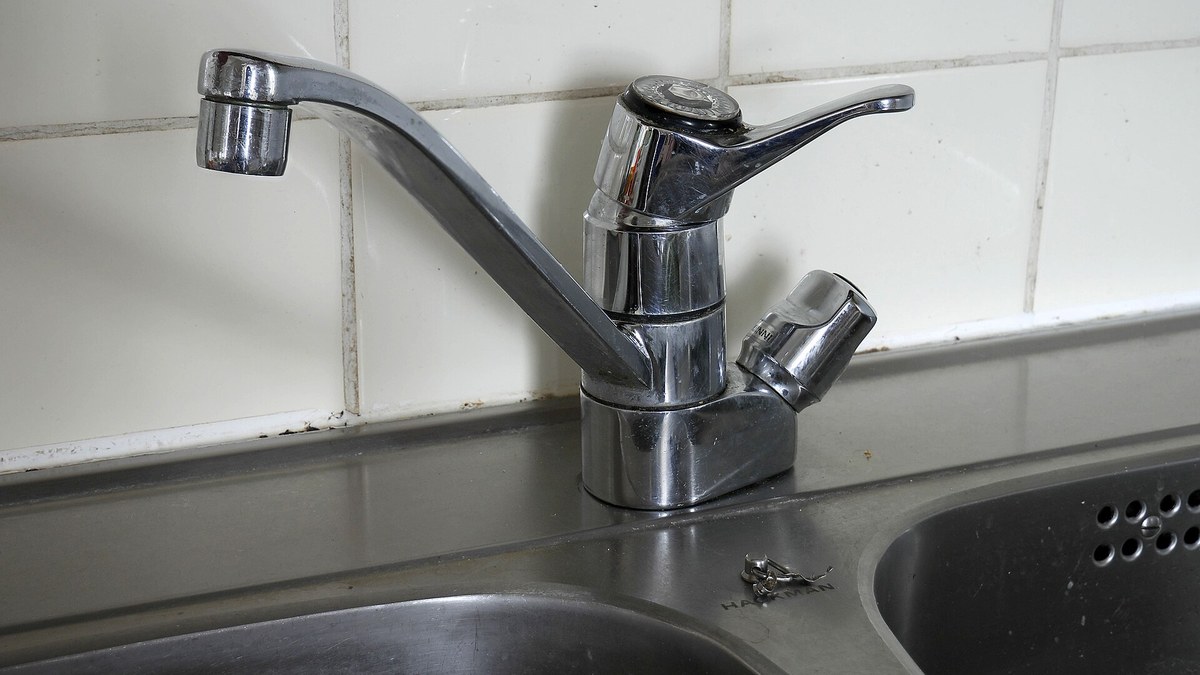
The best kitchen faucets get used dozens of times a day, so they are among the few fixtures where cheaping out genuinely costs you: a faucet dripping once per second can waste more than 3,000 gallons of water a year, per the EPA’s Fix a Leak Week, and a valve you cannot get parts for in five years means buying the whole fixture twice. Ask a room full of plumbers what they would install in their own kitchens and the answer is remarkably consistent — the big three brands win because of parts availability, lifetime warranties, and valves that survive decades of daily use.
If you are planning a full kitchen overhaul, start with our kitchen remodel cost pillar guide and read this one before you order fixtures.
What Plumbers Actually Recommend (and Why)
Plumber forums, plumbing company buying guides, and contractor interviews converge on the same shortlist of the best kitchen faucets. Here is the honest breakdown of each brand’s strengths, based on what trade professionals keep saying in 2026:
| Brand | What plumbers like most | Typical price range (planning estimate) |
|---|---|---|
| Delta | Easiest installs — Duralock and QuickConnect fittings; Diamond Seal and ShieldSpray tech; replacement cartridges stocked at every hardware store; huge finish selection | $80–$650+ |
| Moen | Longest service life — Duralast cartridges built for hard water, Reflex pull-down docking; warranty honored with minimal hassle; Power Boost spray | $100–$700+ |
| Kohler | Best design and premium finishes; solid engineering; favored for high-end remodels where looks matter as much as function | $150–$800+ |
| Grohe | Premium European build — often cited as the last of the true all-brass lines; excellent for designer and culinary-grade kitchens | $250–$900+ |
| Kraus | Budget-friendly styling — the Oletto and similar lines deliver a premium look at big-box prices; solid pick for rentals and budget remodels | $100–$540 |
Plumbers are roughly split between Delta and Moen as the overall favorite: Delta leads on ease of installation and parts availability, while Moen wins on long-term reliability and warranty support — a consensus echoed across contractor buying guides and trade forums in 2026. Kohler takes the design crown but costs more for comparable hardware.
What plumbers consistently avoid: no-name budget faucets with plastic internal bodies, proprietary cartridges that cannot be replaced in five years, and models with no US parts distribution. A $45 faucet you replace three times in a decade is more expensive than a $180 Moen that runs twenty years. The finish matters too — PVD-bonded finishes (physical vapor deposition) hold their color and resist scratching far better than painted or powder-coated finishes, which is why plumbers tell you to check the finish type, not just the color, per 2026 faucet buying research.
Plumber-Recommended Models Worth Shortlisting
These are the specific models that keep appearing in plumber recommendations and contractor installs in 2026 — listed so you can compare features, not as endorsements of any single retailer:
- Moen Arbor (7594 series) — the safest all-around pick: high-arc pull-down, Power Boost spray, Reflex docking, lifetime warranty. Frequently cited as the “install it and forget it” choice for family kitchens (planning estimate: $300–$450).
- Delta Leland pull-down — excellent value with Diamond Seal technology and ShieldSpray; a favorite budget-friendly recommendation that does not feel cheap (planning estimate: $200–$350).
- Kohler Simplice — the best blend of functionality, design, and spray performance; MasterClean spray face resists mineral buildup, which plumbers in hard-water areas appreciate (planning estimate: $250–$650), per 2026 plumber-pick roundups.
- Kraus Oletto — modern styling and pull-down function at a fraction of the big-three price; recommended as a budget pick that still looks intentional (planning estimate: $100–$540), per the same roundups.
- Delta Essa Touch2O — the touch-activated model plumbers recommend if you want hands-free convenience: it solves dirty-hands-during-cooking without the sensor headaches of cheaper touchless units (planning estimate: $640–$815), per 2026 reviews.
- Moen Chateau — the budget workhorse for rentals and flip homes: simple single-handle, low-arc swivel spout with a side sprayer, 1.5 gpm, Duralast cartridge, lifetime warranty. Installers quote around $600 installed, per published installer pricing.
Prices move with sales and finishes, so treat these as comparison anchors, not shelf tags. A brushed-nickel or matte-black finish of the same model can run 20–40% more than chrome (planning estimate). Check the flow rate too: US federal standards cap kitchen faucets at 2.2 gallons per minute (GPM) at 60 psi, and the EPA recommends models rated 1.5–1.8 GPM to save water without a weak stream (EPA WaterSense).
| Model | Style | Operation | Flow rate | Price range |
|---|---|---|---|---|
| Moen Arbor (7594 series) | High-arc pull-down, single-handle | Single-handle pull-down with Power Boost spray | 1.5 gpm | $300–$450 |
| Delta Leland (9178-DST) | Pull-down, single-handle | Single-handle pull-down with ShieldSpray | 1.8 gpm | $200–$350 |
| Kohler Simplice (K-596) | Pull-down, single-handle | Single-handle pull-down, three-function sprayhead with Boost | 1.5 gpm | $250–$650 |
| Kraus Oletto (KPF-2820) | Pull-down, single-handle | Single-handle pull-down | 1.8 gpm | $100–$540 |
| Delta Essa Touch2O (9113T-DST) | Pull-down, single-handle | Touch-activated pull-down (Touch2O) | 1.8 gpm | $640–$815 |
| Moen Chateau (7430) | Low-arc, single-handle, side sprayer | Single-handle with side sprayer (not a pull-down) | 1.5 gpm | About $600 installed |
Manufacturer specifications
Figures below are from the manufacturers’ published product pages and specification sheets. Where a manufacturer does not publish a figure, it is marked “not published.” Moen publishes spout height, not overall height, for the Arbor and the Chateau. Price ranges are the planning estimates published on this page.
Moen Arbor (7594 series)
Total Height: 15.50 in. (Moen lists this as spout height)
Spout Reach: 7.87 in.
Flow Rate: 1.5 gpm (maximum)
Sink Type: 1- or 3-hole
Finishes: Chrome, Matte Black, Oil Rubbed Bronze, Classic Stainless, Spot Resist Stainless
Source: Moen Arbor 7594C product page
Delta Leland (9178-DST)
Total Height: 14-27/32 in. (Delta product page)
Spout Reach: 9 13/64 in. (Delta specification sheet DSP-K-19978-SD-DST, Rev. D)
Flow Rate: 1.8 gpm at 60 psi (maximum)
Sink Type: 1- or 3-hole, 8 in. installation
Finishes: Arctic Stainless, Champagne Bronze, Chrome, Matte Black, SpotShield Stainless, Stainless, Venetian Bronze
Delta lists this model as discontinued.
Sources: Delta Leland 9178-SS-DST product page; Delta specification sheet (PDF)
Kohler Simplice (K-596)
Total Height: 16-5/8 in.
Spout Reach: 9 in. (maximum)
Flow Rate: 1.5 gpm (maximum) at 60 psi; Boost temporarily increases flow by 30%
Sink Type: Single-hole or three-hole (escutcheon included)
Finishes: Polished Chrome, Vibrant Brushed Moderne Brass, Matte Black, Vibrant Stainless
Sources: Kohler Simplice K-596 product page; Kohler specification sheet (PDF)
Kraus Oletto (KPF-2820)
Total Height: 16 5/8 in.
Spout Reach: 8 7/8 in.
Flow Rate: 1.8 gpm at 60 psi
Sink Type: Single-hole installation
Finishes: Spot Free Stainless Steel, Brushed Brass / Matte Black, Chrome, Matte Black, Matte Black / Spot Free Black Stainless, Spot Free Antique Champagne Bronze, Brushed Brass
Sources: Kraus Oletto KPF-2820 product page; Kraus specification sheet (PDF)
Delta Essa Touch2O (9113T-DST)
Total Height: 15-3/4 in. (Delta product page)
Spout Reach: 9 3/8 in. (Delta specification sheet DSP-K-9113T-DST, Rev. E)
Flow Rate: 1.8 gpm at 60 psi (maximum)
Sink Type: 1- or 3-hole, 8 in. installation
Finishes: Arctic Stainless, Champagne Bronze, Chrome, Matte Black, Venetian Bronze
Sources: Delta Essa 9113T-DST product page; Delta specification sheet (PDF)
Moen Chateau (7430)
Total Height: Not published as an overall height — Moen lists spout height 8.50 in.
Spout Reach: 9.13 in.
Flow Rate: 1.5 gpm (maximum)
Sink Type: Four-hole (side sprayer included)
Finishes: Chrome, Brushed Chrome, Spot Resist Stainless
Source: Moen Chateau 7430 product page
Pull-down vs pull-out: which fits your sink?
Both styles use a flexible hose, but the spray head moves differently. A pull-down has a tall, high-arc spout and the head pulls straight down into the sink — best for deep single-bowl sinks and filling tall pots, and the head docks back up into the high arc. A pull-out has a lower arc and the head pulls out toward you, which suits shallow or double-bowl sinks and kitchens where a tall spout would hit a low window or cabinet. If your sink is deep, choose pull-down; if your window or cabinets sit low over the sink, choose pull-out.
Exact-Model Spec Comparison: 7 Kitchen Faucets Side by Side
Brand names alone do not tell you whether a faucet will fit your sink. The table below compares the exact models plumbers and reviewers recommend most, using the manufacturers’ own specification sheets (checked November 19, 2026). Flow rates are maximums at 60 psi. Heights are overall heights from the deck; reach is spout reach where the manufacturer publishes it. Prices are deliberately not listed here because they change often and vary by finish and retailer — check the current price for the exact model number, including its finish suffix, before you buy.
| Model | Flow rate | Height / reach | Holes | Valve / cartridge | Warranty |
|---|---|---|---|---|---|
| Delta Essa 9113-AR-DST (Arctic Stainless) | 1.8 GPM | 15¼ in high | 1 or 3 | DIAMOND Seal valve | Lifetime Limited |
| Moen Arbor 7594EWSRS (touchless, Spot Resist Stainless) | 1.5 GPM | 15½ in high; 7½ in reach | 1 or 3 | MotionSense Wave sensor; 1255 Duralast cartridge | Limited lifetime (trim); 5-year electronics |
| GROHE Eurosmart 30306DC1 (SuperSteel, pull-out) | 1.75 GPM | 7⅛ in high; 8 15/16 in reach | 1 | SilkMove ceramic cartridge | Limited Lifetime |
| American Standard Saybrook 4902330.075 (filtered water) | Up to 1.5 GPM | 18 5/16 in high; 9 7/16 in reach | 1 | Ceramic disc valve | Limited lifetime |
| Pfister Courant F-031-4COC (bridge, Polished Chrome) | 1.8 GPM | 13½ in high; 9 3/32 in reach | 3 or 4 | Pforever Seal ceramic-disc valves | Pforever Warranty (limited lifetime for the homeowner) |
| Moen Adler 87233SRS (Spot Resist Stainless) | 1.5 GPM | 14 9/16 in high; 7½ in reach | 1 or 3 | 1255 Duralast cartridge | Limited lifetime |
| Kohler Simplice K-596-VS (Vibrant Stainless) | 1.5 GPM | 16⅚ in high; 9 in reach | 1 (escutcheon included) | Ceramic disc cartridge | Limited lifetime |
How to read this table. The shortest faucet here is the Moen Adler at 14 9/16 inches, which helps under a low window or shelf; the tallest is the American Standard Saybrook at 18 5/16 inches, so check overhead clearance before ordering it. The GROHE Eurosmart is the only true pull-out in the list and the lowest at 7⅛ inches, which suits shallow sinks and low windows. The Pfister Courant is the only bridge faucet: it needs three holes without its side sprayer and four with it, so count your holes first. The Saybrook is the only model with a built-in water filter — its filter is independently certified to NSF/ANSI 42 and 53, handles 300 gallons (about six months for a family of four), and can sit on the countertop or inside the cabinet. The Moen Arbor is the only touchless model here: one wave sensor starts and stops the water, and it runs on six AA batteries, so it needs no outlet. All seven flow at 1.5 to 1.8 GPM.
Sources (manufacturer specification sheets and product pages, checked November 19, 2026): Delta Essa spec sheet (PDF); Moen Arbor and Adler spec sheets; GROHE Eurosmart spec sheet; American Standard Saybrook product page; Pfister Courant spec sheet; Kohler Simplice retailer specification listings (Ferguson, SupplyHouse). Finish suffixes matter: for example, 9113-AR-DST is Arctic Stainless, 7594EWSRS is Spot Resist Stainless, and K-596-VS is Vibrant Stainless. The same model in another finish can carry a different suffix and a different price.
Lead Safety: How to Check a Faucet Is Lead-Safe Before You Buy
A kitchen faucet carries drinking water, so what it is made of matters more than how it looks. Under the federal Safe Drinking Water Act, a faucet for drinking water is legally “lead free” when the weighted average lead content of its wetted surfaces is 0.25% or less — a limit in effect since January 4, 2014. Since September 1, 2023, manufacturers and importers must also have that lead-free status certified by an ANSI-accredited third party; a seller’s own “lead free” claim, on its own, is not enough.
NSF/ANSI 61 vs. NSF/ANSI 372: two different checks
Two standards are usually named together, but they test different things. NSF/ANSI 372 measures how much lead is in the part — it is the test behind the 0.25% weighted-average limit. NSF/ANSI 61 measures what leaches out of the part into the water, covering lead and other contaminants against health-based limits. Before you buy, look for a faucet certified to both NSF/ANSI 61 and NSF/ANSI 372 (often printed as “NSF/ANSI/CAN 61 & 372”), plus the plumbing marks cUPC, ASME A112.18.1, and CSA B125.1. Older products may instead say “Annex G,” the old lead-content section that used to sit inside NSF/ANSI 61 before it moved into its own standard, NSF 372. Every model in the comparison table above is sold by a manufacturer that publishes these certifications on its spec sheet.
The May 2025 CPSC recalls: three brands, about 103,000 faucets
On May 29, 2025, the U.S. Consumer Product Safety Commission (CPSC) recalled three brands of imported kitchen faucets sold on Amazon after testing found lead that can leach into water at levels particularly harmful to infants and young children:
- BASDEHEN — about 24,000 faucets, Recall No. 25-305, model CFDTTH-000-YGH, sold by Chenfeng Store.
- KICIMPRO — about 50,000 faucets, Recall No. 25-306, model KM800-01-06BN, sold by Kicimpro.
- VFAUOSIT — about 29,000 faucets, Recall No. 25-307, model 06BNV, sold by Whisper08.
The recalled faucets sold for about $30 to $40 between January 2024 and May 2025. The CPSC had already warned consumers on May 15, 2025 to stop using these faucets immediately. Its advice for anyone who owns one is to stop using it and dispose of it — not to keep it as a spare or pass it on. If you bought a cheap no-name faucet on a marketplace in that period, check the brand and model number against the CPSC recall pages linked below before you keep using it.
What to check before buying a cheap marketplace faucet
- Demand a spec sheet. The maker should publish one that lists NSF/ANSI 61 and 372, ASME A112.18.1 / CSA B125.1, and cUPC. No spec sheet means no way to verify the claim.
- Buy the exact model number. Look-alike listings reuse photos and names; only the exact model number ties a faucet to its certification.
- Be wary of the $30–$40 no-name faucet. That was the price range of all three recalled brands. A bargain price with no brand, no spec sheet, and no certification marks is the exact pattern the recalls exposed.
- Buy from the manufacturer or an authorized retailer. Unknown third-party marketplace sellers are harder to trace if a recall follows.
- Check the CPSC recall list. Search the brand and model at cpsc.gov before installing a faucet you already own, especially one bought on a marketplace.
A note on voice-controlled faucets: Moen’s voice-controlled U by Moen line has shrunk since launch — for example, the S72003EVSRS model was discontinued on November 23, 2023 — so confirm the exact voice-controlled model you are considering is still sold and supported before ordering one. The touchless Moen Arbor 7594EWSRS in the table above uses a wave sensor, not voice control, and is a different model line.
Sources: CPSC recall 25-305, BASDEHEN; CPSC recall 25-306, KICIMPRO; CPSC recall 25-307, VFAUOSIT; CPSC warning, May 15, 2025; EPA, lead in drinking water. All checked November 19, 2026.
How We Chose These Faucets
These picks come from secondary research, not hands-on testing. We reviewed plumber forums, plumbing company buying guides, and contractor interviews, and shortlisted the best kitchen faucets that plumbers and contractors recommend most often for everyday kitchens.
Kitchen Faucet Cost: Fixture + Installation
Your total is two numbers added together: the faucet itself and the labor to install it. Professional installation costs $162–$364, with a national average of $262, per Angi’s 2026 data. Angi separately reports kitchen faucet fixtures themselves in the $200–$500 range, per its faucet-replacement guide. Touchless and bridge models cost more than single-handle or pull-down options, per Angi. If this faucet is part of a bigger kitchen project, run the full budget in the Kitchen Remodel Cost Calculator.
| Tier | Fixture price (planning estimate) | Pro install cost | Total installed | Typical timeline |
|---|---|---|---|---|
| Budget (rental-grade pull-down) | $50–$150 | $162–$250 | $212–$400 | Same day |
| Mid-range (the plumber-recommended sweet spot) | $150–$400 | $200–$300 | $350–$700 | Same day |
| Premium (touchless, designer, luxury finishes) | $400–$800+ | $250–$364 | $650–$1,150+ | Same day |
Installer pricing varies: one Pennsylvania plumbing company publishes $430 to install a customer-supplied standard faucet and $580 for a premium model, with new Moen faucets installed ranging from about $600 to $1,370 depending on model and finish, per their 2026 price list — roughly double Angi’s national averages, which shows why local quotes matter. Labor is roughly 45–60% of the total on budget-tier jobs and 25–35% on premium jobs (planning estimate).
Worked Example: Replacing a Faucet in a 15-Year-Old Kitchen
You have a tired single-handle faucet, one mounting hole plus a sprayer hole, and shutoff valves under the sink that still work. Here is what a realistic mid-range replacement adds up to:
| Line item | Cost |
|---|---|
| Moen Arbor-class pull-down faucet (spot-resist stainless) | $340 |
| New braided stainless supply lines (pair) | $14 |
| Basin wrench and thread seal tape (if DIY) | $18 |
| Plumber labor — 1.5 hours at $125/hr (planning estimate) | $188 |
| New shutoff valves while under there (optional but smart) | $25 |
| Total | $585 |
Go DIY on the same job and the total drops to about $397 — a savings of roughly $188. Supply lines and shutoff valves are the items homeowners forget: a 15-year-old valve that has never been turned can fail the moment you touch it, and replacing a $12 valve during a faucet swap costs almost nothing compared to an emergency visit later.
Regional Installation Cost Differences
Labor rates drive nearly all the regional spread on faucet installs, since the fixture costs the same whether it ships to Ohio or New York. Angi’s national averages below are illustrative planning ranges — always get local quotes:
| Region | Typical pro install (planning estimate) | What drives it |
|---|---|---|
| Northeast (NY, Boston, DC) | $280–$550 | High plumber rates ($125–$200/hr); older housing with corroded valves |
| West (CA, Seattle, Denver) | $250–$480 | Above-average rates; earthquake straps/codes on some supply work |
| South (TX, GA, FL) | $180–$350 | Competitive rates; newer housing stock, simpler installs |
| Midwest (OH, IL, MI) | $162–$320 | Closest to Angi’s national average; strong trade competition |
Moving the faucet to a new location (new holes in the countertop or sink) is a different project entirely — budget $150–$250 for permits alone on new-location work, per Angi, plus the cost of drilling stone and re-routing supply lines. That is when a simple swap becomes a half-day job.
7 Cost Factors That Move Your Total
- Faucet type — $100–$300 swing. A basic single-handle runs $50–$150; add a pull-down sprayer and you are at $150–$400; touchless or touch-activated models start around $400 and climb past $800 (planning estimates). The technology inside the fixture is the biggest price lever you control.
- Finish — $50–$150 swing. Chrome is almost always the cheapest; brushed nickel, matte black, oil-rubbed bronze, and champagne bronze command premiums. Plumbers prefer PVD finishes for durability regardless of color, per 2026 buying research.
- Number of mounting holes — $0–$250 swing. A one-hole faucet on a one-hole sink is a 60-minute swap. Going from 3 holes to 1 (or vice versa) means an escutcheon plate or new drilling — easy on a stainless sink, risky and expensive on granite or quartz.
- Valve and supply-line condition — $0–$150 swing. Corroded shutoff valves or ancient supply lines must be replaced before the new faucet goes on. In homes older than about 20 years, expect to find at least one valve that disintegrates on touch (planning estimate).
- Hard water — $0–$100 swing. Heavy mineral content clogs aerators and spray faces and shortens cartridge life. Plumbers in hard-water regions steer you toward models with easy-clean spray faces and cartridges rated for hard water, like Moen’s Duralast, per installer guidance.
- Touchless/sensor models — $200–$500 swing. You are paying for sensors, solenoids, and battery or AC power packs — plus more that can break. Budget brands’ touchless units are notably less reliable long-term than Moen or Delta metal-valve models, per 2026 touchless-faucet reviews.
- Corroded or seized old faucet — $0–$100 swing. A faucet fused to the sink by a decade of corrosion can turn a one-hour swap into a three-hour fight, with possible basin-wrench gymnastics and a hacksaw. Plumbers charge extra for the ordeal, and rightly so.
DIY vs. Hiring a Plumber
A same-hole faucet replacement is one of the most DIY-friendly plumbing jobs in the house — skill level 2 out of 5. But the line between “easy Saturday project” and “call a plumber” is real: For the full side-by-side comparison, see DIY vs Hiring a Pro 2026.
| DIY (same-hole swap) | Hire a plumber | |
|---|---|---|
| Skill level | 2/5 — basic hand-tool comfort | Pro — anything beyond a direct swap |
| Tools | Basin wrench, adjustable wrench, plumber’s tape, bucket, towel, headlamp | Licensed plumber with insurance |
| Time | 1–2 hours (first attempt: 2–3) | 1–2 hours on site |
| Total cost | $50–$420 (fixture + $20–$40 in supplies) | $212–$1,150+ (fixture + $162–$364 labor) |
| Savings | $162–$364 | — |
DIY it when: the new faucet matches the existing hole configuration, the shutoff valves under the sink turn freely, and you can comfortably lie on your back under the cabinet. The hardest part is reaching the mounting nuts in the cramped space — a basin wrench exists specifically for this, and the $18 it costs beats an hour of bruised knuckles.
Hire a pro when: valves are corroded or will not budge; the old faucet is fused to the sink; the job needs new holes drilled in stone or quartz; supply lines need re-routing; or there is water damage under the sink that needs fixing first. Also call a plumber if the installation requires new supply piping through a wall — once you are opening walls or modifying supply lines beyond the shutoff valves, local code often requires a licensed plumber, and a bad connection behind a wall is a flood waiting to happen.
Step-by-Step: Replacing a Kitchen Faucet
- Shut off the water and test (10 minutes). Close the hot and cold shutoff valves under the sink, then open the old faucet to confirm no flow. If the valves do not fully stop the water, stop here — you need new valves, which means shutting off the house main. If your sink is from the 1970s or older and you are disturbing old caulking or insulation, test for lead and asbestos first — see the safety section.
- Clear the cabinet and disconnect (20 minutes). Move everything out from under the sink, set a bucket under the connections, and disconnect the supply lines from the valves with an adjustable wrench. Keep towels handy — the lines hold a little water.
- Remove the old faucet (20–40 minutes). From underneath, loosen the mounting nuts with a basin wrench and lift the faucet out. Corroded nuts are the time sink here; penetrating oil and patience beat brute force, which can crack a porcelain sink.
- Clean the deck (10 minutes). Scrape off old putty, caulk, and mineral deposits around the mounting holes. A clean surface is what keeps the new faucet from leaking around its base.
- Set the new faucet (20 minutes). Apply the gasket or plumber’s putty per the manufacturer’s instructions, feed the supply lines through the hole, and tighten the mounting hardware from below — snug, not gorilla-tight. Overtightening cracks sinks and strips threads.
- Connect and test (20 minutes). Attach new supply lines (do not reuse old ones — $14 of new lines buys real peace of mind), hand-tighten plus a quarter turn, open the valves slowly, and check every connection for leaks. Run hot and cold through the sprayer for two minutes and flush the aerator.
Total: 1.5–2.5 hours for a same-hole replacement, with most of the variance in step 3.
Materials & Tools List
For a DIY same-hole replacement:
- New kitchen faucet (single-handle pull-down recommended)
- Pair of braided stainless steel supply lines (replace every time — never reuse)
- Basin wrench
- Adjustable wrench (10 or 12 inch)
- Plumber’s tape (PTFE)
- Plumber’s putty or silicone (per faucet manufacturer’s instructions)
- Bucket, towels, headlamp or work light
- Penetrating oil (if removing an old, corroded faucet)
- Escutcheon plate (if covering unused holes on a 3-hole sink)
9 Mistakes Homeowners Make Buying and Installing Faucets
- Buying for looks, not valve quality. The body finish is marketing; the cartridge is the machine. Ceramic disc valves from the big brands are rated for hundreds of thousands of cycles — that is what makes a faucet last 15–20 years, per 2026 buying research.
- Ignoring the hole count. Ordering a one-hole faucet for a three-hole sink (or the reverse) is the most common ordering mistake. Count your holes before you click buy — and check the spacing between them.
- Reusing old supply lines. Plumbers replace them as a matter of policy. A 15-year-old rubber-lined supply line is a burst waiting to happen, and the $14 replacement costs nothing compared to a flooded cabinet.
- Overtightening everything. Plastic mounting nuts and supply-line fittings crack when overtightened. Hand-tight plus a quarter turn with a wrench is the standard.
- Skipping the new shutoff valves. If your valves are older than the faucet, replace them while the water is off and the area is clear. A valve that fails the next time someone turns it is a guaranteed emergency call.
- Forgetting water pressure limits. A faucet rated for standard residential pressure, installed on a system running well above it, will wear out fast — check the manufacturer’s maximum-pressure rating for your model before you buy.
- Choosing a touchless model from a budget brand. Cheap sensors and plastic solenoids fail years before the fixture wears out. If you want touchless, buy it from a brand with a real parts network — Moen MotionSense or Delta Touch2O — per 2026 touchless reviews.
- Not checking lead compliance. Since 2014, federal law requires faucets for drinking water to be lead-free (no more than 0.25% lead on wetted surfaces, per the EPA’s Safe Drinking Water Act). Look for NSF/ANSI 61 (or 372) certification on the box. Vintage and unbranded imports can fail this — buy certified.
- Measuring nothing. A high-arc faucet under a low window or cabinet becomes a clearance problem. High-arc models stand about 15–16 inches tall — check your clearance before ordering, per installer guidance.
Check your sink’s hole count before you buy
Count the holes in your sink or countertop before you order. A 1-hole faucet fits a single-hole sink; a 3-hole sink needs a faucet with a deck plate (escutcheon) to cover the extra holes, or a separate sprayer or soap dispenser to fill them. A 4-hole setup usually means the faucet plus a sprayer and a dispenser. Measure the spacing too — standard 3-hole sinks are 4 inches on center, while widespread setups are 8 inches. A deck plate is cheap, but a faucet that does not match your holes is a return and a wasted weekend.
Permits & Safety
A straight faucet-for-faucet replacement on existing plumbing generally does not require a permit — it is a fixture swap, not a plumbing alteration. Permits enter the picture when you move the faucet to a new location (budget $150–$250 for permits on new-location work, per Angi) or modify supply piping behind walls. Check your local code, since rules vary by city.
Safety notes: always verify the water is fully off before loosening anything — a surprising number of DIY floods start at a shutoff valve that was not fully closed. For pre-1978 kitchens, the EPA’s Renovation, Repair, and Painting (RRP) lead-safe rule applies if your project disturbs painted surfaces — a faucet swap usually does not trigger it, but opening walls or replacing old countertops with painted edging can; when in doubt, check the EPA’s DIY guidance.
For pre-1980 homes, test old insulation and pipe-wrap materials for asbestos before disturbing them — a simple lab test costs around $25–$50 (planning estimate) and is the only way to know. Finally, buy only faucets certified to NSF/ANSI 61 or 372 — the federal lead-free standard for drinking-water fixtures, per the EPA.
What $150 / $400 / $900 Actually Buys
| Budget | What you get | Honest verdict |
|---|---|---|
| $150 | A budget pull-down (Kraus-class) plus a DIY install with new supply lines | Perfectly fine for rentals, flips, or a kitchen you plan to gut in 5 years. Looks modern, works fine — just accept a shorter service life and thinner warranty support. |
| $400 | A Delta Leland- or Moen Arbor-class faucet, DIY or partly pro-installed | The plumber-recommended sweet spot for your own home: ceramic disc valves, real warranty, parts on every shelf, 15–20 year service life. This is where the value-per-dollar peaks. |
| $900 | A premium or touch-activated model (Delta Touch2O-class) with professional installation | Worth it for heavy-use family kitchens and high-end remodels where finish durability and convenience matter. You are paying for sensors, PVD finishes, and design — not for a faucet that lasts meaningfully longer than the $400 tier. |
Financing a Faucet Project
Honestly, almost nobody finances a faucet alone — it is a $200–$1,000 project. But faucets are usually bought during a larger kitchen remodel, and that is where financing matters. Common options: a HELOC (flexible draw schedule, interest may be tax-deductible if used for home improvement), a home equity loan (fixed payment, good for a defined project budget), a cash-out refinance (worth considering only if rates favor it), or a personal loan (fast, no collateral, higher rates). This is general information, not financial advice — compare total costs and talk to a lender before borrowing for any remodel. If you are planning the full kitchen, our kitchen remodel cost guide shows where a faucet fits in the overall budget.
How to Hire a Contractor for Faucet Installation
Most plumbers will quote faucet installation over the phone if you send the model number — it is a standardized job. Still, vet them properly: For a fuller hiring checklist, see How to Hire a Contractor 2026.
- Are you licensed and insured in this state? Ask for the license number and verify it on your state’s contractor or plumbing board website before you hire — most states have a public lookup tool.
- What is the flat-rate install price for my faucet model? Get it in writing — hourly billing on a one-hour job is how $262 averages become $450 invoices.
- Does the quote include new supply lines and shutoff valves? If it does not, add them. This is the cheapest insurance in plumbing.
- Do you guarantee your workmanship, and for how long? A one-year minimum on labor is standard; the faucet manufacturer’s lifetime warranty covers the fixture, not the installer’s connections.
- How do you handle corroded valves or a seized old faucet? Their answer tells you whether you are getting a flat rate or an open-ended hourly surprise.
- Can you do this in one visit, and when? A same-hole swap should never need a second trip unless something unexpected is found.
Red flags: no license or insurance; quoting a price sight-unseen without asking the faucet model or hole configuration; refusing to include supply-line replacement; demanding full payment upfront for a one-hour job; no written quote. To verify licensing, look up your state plumbing or contractor board online — every state has a public lookup tool, and it takes two minutes.
Get 3 quotes, not 1. Faucet installation quotes for the same job can vary by 2x between companies in the same city. Call three licensed plumbers, compare itemized quotes, and reach out through our contact page if you want a second opinion on what you were quoted.
The Bottom Line
Buy a mid-range pull-down from Delta, Moen, or Kohler, replace the supply lines and shutoff valves while you are under the sink, and either DIY the swap in an afternoon or pay a plumber $162–$364 to do it right. That $400-tier fixture is the value peak — it outlasts three budget faucets and costs less than one premature full replacement. The cheapest faucet is the one you only buy once. Pair this project with the rest of your kitchen plan in our kitchen remodel cost guide, and if you want a plumber you can trust, get 3 quotes through our contact page.
About the Author
Muhammad Haroon is the Founder & Editor of Renovation Guide HQ. He researches US home renovation costs from public data, contractor pricing and manufacturer figures, and publishes transparent, no-signup cost guides and calculators.
Frequently Asked Questions
What kitchen faucets do plumbers recommend most?
Moen, Delta, and Kohler — in that general order of trade preference. Plumbers split roughly evenly between Delta and Moen: Delta wins on installation ease and parts availability, Moen on long-term reliability and warranty support, and Kohler on design and premium finishes. All three use ceramic disc valves, offer lifetime body warranties, and stock replacement parts nationwide.
How much does it cost to replace a kitchen faucet?
The fixture costs $50–$800+ depending on type and brand, and professional installation adds $162–$364 (national average $262), per Angi’s 2026 data. Most homeowners pay $212–$700 total for a quality mid-range faucet installed. DIY installation of a same-hole replacement saves the full labor cost and takes 1–2 hours.
Is Delta or Moen better for kitchen faucets?
Neither is clearly better — plumbers are split. Choose Delta if installation ease, finish variety, and touch activation (Touch2O) matter most. Choose Moen for hard-water durability (Duralast cartridges), Power Boost spray, and Reflex pull-down docking. Both honor lifetime warranties and both will still have replacement cartridges on shelves decades from now.
Are touchless kitchen faucets worth it?
For busy cooking households, yes — if you buy from Moen or Delta. Touchless and touch-activated models solve the dirty-hands problem and add $200–$500 to the project. But cheap touchless faucets from no-name brands fail early: sensors and solenoids break years before the fixture wears out, and replacement parts are often unavailable.
How long should a kitchen faucet last?
A quality faucet from Moen, Delta, or Kohler typically lasts 15–20 years, with ceramic disc valves rated for hundreds of thousands of cycles. Budget faucets often need replacement in 5–10 years. Hard water shortens life unless you choose hard-water-rated cartridges and clean the aerator regularly.
Can I install a kitchen faucet myself?
Yes, if the new faucet matches your existing hole configuration and the shutoff valves under the sink work — it is a 1–2 hour DIY job (skill level 2/5) with a basin wrench and adjustable wrench. Hire a plumber if valves are corroded, the old faucet is seized, you need new holes drilled in stone, or supply lines must be re-routed.
What is a good flow rate for a kitchen faucet?
Look for 1.5–1.8 gallons per minute (GPM). That is the range the EPA recommends for kitchen faucets, and it is well under the federal maximum of 2.2 GPM at 60 psi (EPA WaterSense). A model rated below 1.5 GPM can feel weak when you are filling pots, so 1.5–1.8 GPM is the practical sweet spot.