Quick Answer: Metal Roof vs Asphalt Shingles in 2026
A metal roof for an average 2,000-square-foot American home costs $17,000–$38,000 installed in 2026 and lasts 40–70 years. An asphalt shingle roof costs $8,000–$19,000 installed and lasts 20–30 years. Metal costs roughly 2–3x more upfront but can outlast two to three shingle roofs, making the lifetime cost competitive in many climates. Shingles win on upfront affordability; metal wins on longevity, energy efficiency, and low maintenance.
Cost Comparison Table
| Cost Item | Asphalt Shingles (Architectural) | Metal Roof (Standing Seam) |
|---|---|---|
| Material per “square” (100 sq ft) | $100–$200 | $300–$700 |
| Labor per square | $300–$600 | $500–$1,200 |
| Total installed per sq ft | $4.50–$10.50 | $9–$18 |
| 1,500 sq ft roof (15 squares) | $7,500–$15,000 | $13,500–$27,000 |
| 2,000 sq ft roof (20 squares) | $9,000–$19,000 | $17,000–$38,000 |
| 2,500 sq ft roof (25 squares) | $11,000–$24,000 | $21,000–$46,000 |
| Tear-off of old roof | $1,000–$3,500 | $1,000–$3,500 |
| Repairs/replacement over 50 years | 1–2 full replacements ($18K–$38K) | $0 (warrantied) plus minor maintenance |
What Drives the Price Difference
Material complexity: Standing seam metal panels are precision-engineered, coated with high-grade paint systems (PVDF/Kynar), and cost 3–5x more per square foot than shingle bundles.
Labor specialization: Metal roofing requires certified installers with specialized seaming tools. Fewer contractors offer it, and their labor rates run $50–$100+ per hour versus $30–$60 for shingle crews, according to Angi’s 2026 contractor rate data.
Steel and aluminum tariffs: 2026 elevated trade tariffs on steel and aluminum have pushed metal roofing to record highs in some markets. HomeAdvisor’s 2026 cost data shows standing seam up 8–12% year over year.
Roof complexity: Steep pitches, dormers, skylights, and multiple valleys add labor to both systems, but the multiplier is larger for metal because flashing and custom panel work take more time.
Lifespan & Durability
Asphalt Shingles: 20–30 Years
3-tab shingles last 15–20 years. Architectural (dimensional) shingles — the product most homeowners buy in 2026 — last 25–30 years with proper ventilation. Premium/designer shingles can reach 30–40 years but cost close to metal panels.
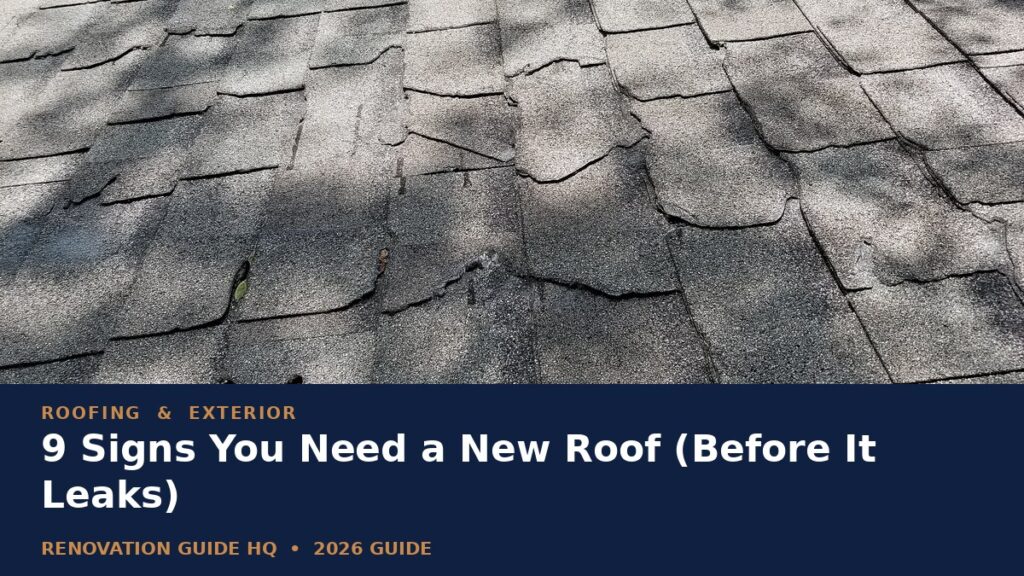
Shingle enemies are heat, UV, and poor attic ventilation. In hot southern climates, a 25-year shingle may only deliver 18–22 years. Granule loss, curling, and cracked shingles are the classic end-of-life signs.
Metal Roofing: 40–70 Years
Standing seam steel carries 40–50 year manufacturer warranties and routinely lasts 50–60 years in the field. Aluminum (ideal for coastal areas) lasts 50+ years because it can’t rust. Copper and zinc can last 70–100 years, though at $15–$30+ per square foot installed they are a specialty choice.
Metal sheds snow and ice naturally, resists wind uplift up to 140–180 mph (standing seam), and is Class A fire rated. Hail can dent softer metals, but stone-coated steel and heavier-gauge panels resist denting well.
Maintenance Comparison
Shingles: Expect periodic repairs — replacing blown-off or damaged shingles ($200–$600 per visit), cleaning algae and moss, and resealing flashing every 5–10 years.
Metal: Nearly maintenance-free. Wash it every few years, clear debris from valleys, and check fastener seals on exposed-fastener systems (agricultural panels) every 10 years. Standing seam has concealed fasteners, so there’s almost nothing to service.
Energy Efficiency
Metal is the clear winner here, and the gap is bigger than most homeowners expect.
Metal Roofs Reflect Solar Heat
Cool-rated metal roofing reflects 25–40% of solar radiation, versus roughly 5–15% for dark asphalt shingles. The Department of Energy estimates that cool metal roofs can reduce cooling costs by 10–25% in hot climates. On a $200/month summer cooling bill, that’s $20–$50/month in savings — $240–$600 per year.
Above-sheathing ventilation (the air gap between metal panels and the deck) adds another layer of thermal protection. Some homeowners report attic temperatures 20–30°F cooler than with a dark shingle roof.
Shingles: Improving but Still Absorptive
Energy Star–rated “cool” shingles exist and reflect more heat than standard dark shingles, but they still absorb far more than light-colored metal. In mild northern climates the energy difference is small enough to be a minor factor; in Texas, Florida, Arizona, and the Southeast, metal’s energy savings are a major selling point.
The 50-Year Energy Math
At $400/year in cooling savings (a reasonable hot-climate figure), metal saves $20,000 over 50 years — which can close much of the upfront cost gap versus two shingle replacements. In cool climates, budget closer to $100–$150/year in savings.
Resale Value
The Zonda (formerly Remodeling Magazine) Cost vs. Value Report tracks roofing resale recovery every year. Key findings relevant to the metal-vs-shingle decision:
- Roof replacement generally recovers roughly 50–60% of cost at resale — it is a maintenance investment, not a profit center.
- Metal roofing tends to recover a higher percentage than shingles (often 55–65%) because buyers value the remaining warranty life and energy efficiency.
- Curb appeal matters: A new standing seam roof in a high-end neighborhood can be a differentiator; appraisers in some markets add a line-item premium for metal.
- The buyer math: A buyer comparing two identical homes — one with a 5-year-old shingle roof, one with a 5-year-old metal roof with 45 years of warranty left — will pay more for the metal-roofed home, all else equal. The premium is typically $5,000–$15,000 depending on market.
Bottom line: Neither roof pays for itself at resale. But metal loses less of your money, and in competitive markets it can be the feature that gets your home chosen over a neighbor’s.
Pros & Cons at a Glance
Metal Roof Pros
- 40–70 year lifespan — install it once
- Excellent energy efficiency (10–25% cooling savings)
- Class A fire rating, 140–180 mph wind resistance
- Minimal maintenance
- Strong resale value and warranty transferability
- Recyclable (25–95% recycled content; 100% recyclable at end of life)
Metal Roof Cons
- 2–3x the upfront cost of shingles
- Fewer qualified installers — harder to get multiple bids
- Can be noisier in rain without proper underlayment (easily mitigated)
- Hail can dent thinner-gauge panels
- Walking on it requires care to avoid panel damage
Asphalt Shingle Pros
- Lowest upfront cost of any roofing material
- Every roofer installs them — easy to get competitive bids
- Wide style and color selection
- Simple, fast repairs
- Good performance in moderate climates
Asphalt Shingle Cons
- 20–30 year lifespan means 2–3 replacements over a homeownership lifetime
- Absorbs heat — higher cooling bills
- Vulnerable to wind uplift, algae, and granule loss
- Petroleum-based — 11–13 million tons of shingle waste hit US landfills yearly
Installation: What to Expect
Shingle Installation (1–3 Days)
A shingle crew of 4–6 workers can tear off and replace an average roof in 1–3 days. The process is straightforward: tear off old shingles, inspect and repair decking, install underlayment and ice/water shield, then nail down shingles from eave to ridge. Because every roofing company does shingles, scheduling is fast — most homeowners get quotes within a week and installation within 2–4 weeks.
Metal Installation (3–7 Days)
Standing seam takes 3–7 days for the same house. Panels are often roll-formed on-site to exact roof dimensions, then seamed together with specialized tools. Flashing around chimneys, valleys, and walls is custom-fabricated — this craftsmanship is why metal costs more in labor. Scheduling takes longer: certified metal installers are fewer, and lead times of 4–8 weeks are common in busy markets.
Can You Stay in the House?
Yes for both. Roofing is loud but the crew works outside during daytime hours. Pets and remote workers may want to plan around the noisiest tear-off day.
Which Should You Choose? A Decision Guide
Choose metal if: you plan to stay 15+ years; you live in a hot climate (energy savings), hurricane/tornado zone (wind rating), wildfire area (Class A fire), or coastal region (aluminum); you hate maintenance; or you want the last roof you’ll ever buy.
Choose shingles if: budget is the top constraint; you’re selling within 10 years; your HOA restricts metal (some do — check covenants first); or your roof is very complex with many dormers and valleys (shingles handle complexity more cheaply).
The hybrid consideration: Some homeowners install shingles now and plan for metal at the next replacement, banking the difference. Others in moderate climates split the difference with stone-coated steel — metal panels that look like shingles or tile, priced between the two.
Environmental Impact
Metal: Typically 25–95% recycled content, and 100% recyclable at end of life. A 50-year metal roof generates a fraction of the lifetime waste of shingles.
Shingles: Petroleum-based and difficult to recycle. The US generates roughly 11–13 million tons of asphalt shingle waste per year, the vast majority landfilled. Some markets now recycle tear-offs into road pavement, but it’s not yet widespread.
If sustainability matters to you, metal is the clear environmental choice — one roof instead of three, and a fully recyclable material.
Warranties Compared
Warranties reveal what manufacturers actually believe about their products.
Shingle Warranties
Architectural shingles typically carry 25–30 year limited warranties, with premium lines offering “lifetime” (usually defined as 50 years, prorated after 10). Read the fine print: most shingle warranties are material-only after the first few years, meaning the manufacturer replaces defective shingles but you pay labor. Wind coverage is often limited to 110–130 mph, and algae warranties (10–15 years) are separate. Manufacturer-certified installers (GAF Master Elite, Owens Corning Preferred) can offer enhanced warranties covering workmanship for 10–25 years — worth seeking out.
Metal Warranties
Standing seam systems commonly carry 40–50 year paint/finish warranties (against fading and chalking) plus separate weather-tightness warranties of 20–35 years from the installer covering leaks. Because the panels themselves don’t degrade like asphalt, the practical warranty is far stronger. Most are transferable to a new homeowner — a genuine selling point that shingle warranties rarely match.
Key tip: For either system, the installer’s workmanship warranty matters as much as the manufacturer’s. A 50-year panel warranty means little if a bad flashing job leaks in year 3. Always get the workmanship terms in writing.
The Cost Per Year: What Each Roof Really Costs Over Time
Upfront prices hide the real comparison. A shingle roof looks half the price of metal — until you buy it twice. Spread over the life of the roof, the gap narrows sharply, and once maintenance is counted, it can disappear entirely. The table below uses this guide’s own installed ranges for a 2,000-square-foot roof, so every number traces back to figures already on this page.
| 50-year view (2,000 sq ft roof) | Architectural shingles | Standing seam metal |
|---|---|---|
| Installed cost, first roof | $9,000–$19,000 | $17,000–$38,000 |
| Lifespan of one roof | 25–30 years | 40–70 years |
| Cost per year of roof life | $300–$760 | $243–$950 |
| Full replacements needed in 50 years | 1–2 | 0 |
| Total roof cost over 50 years | $27,000–$57,000 | $17,000–$38,000 |
| Roof cost per year over 50 years | $540–$1,140 | $340–$760 |
| Annual maintenance | $100–$300 | $50–$150 |
| Maintenance total over 50 years | $5,000–$15,000 | $2,500–$7,500 |
| All-in cost per year over 50 years | $640–$1,440 | $390–$910 |
How the math works: cost per year of roof life is the installed price divided by the lifespan (for example, $9,000 over 30 years is $300 per year; $19,000 over 25 years is $760 per year). The 50-year totals add the replacements shingles require — one to two full re-roofs at $18,000–$38,000 — while metal typically needs none. Maintenance figures come from contractor-reported annual upkeep ranges: $100–$300 per year for shingles (inspections, debris clearing, minor repairs, sealant work) versus $50–$150 for metal (mostly gutter cleaning and fastener checks; standing seam systems with concealed fasteners sit at the low end, around $0–$100).
Two things can tilt the table further toward metal in hot climates: the cooling savings covered above (about $100–$150 per year in cool climates, up to $400 per year in hot ones) and avoided disruption. A second shingle replacement is not just a second bill — it is another tear-off, another week of noise, and another round of scheduling. If you plan to stay in the home 15 years or more, metal’s higher sticker price buys the lower all-in yearly cost. If you plan to sell within 10 years, shingles win on cash flow, because you will never collect the years that make metal pay.
Cost by Metal Type and Shingle Grade
The headline ranges on this page describe the most common choices — architectural shingles and standing seam metal. Both materials have cheaper and pricier tiers, and the tier you pick can move the project by thousands.
Metal roof cost by type
| Metal roof type | Installed per sq ft | What you get |
|---|---|---|
| Corrugated / exposed-fastener panels | $5–$10 | Budget metal; screws through the panel face need periodic resealing, lifespan roughly 30–50 years |
| Metal shingles | $7–$14 | Metal panels stamped to look like shingles, slate, or shake |
| Standing seam | $9–$18 | Concealed fasteners, clean lines, 40–70 year lifespan — the system priced throughout this guide |
| Stone-coated steel | $9–$16 | Steel panels with a stone-chip coating that mimics shingle or tile; a middle ground for HOA-restricted neighborhoods |
| Copper and zinc | $15–$30+ (materials alone can run higher) | Specialty metals with 70–100 year lifespans, covered in the lifespan section above |
Corrugated panels are the honest budget route into metal, but compare them fairly: exposed fasteners are a maintenance item standing seam eliminates, and the shorter lifespan narrows the long-term savings. Stone-coated steel deserves a look if your HOA bans the look of standing seam — it is metal durability in a shingle costume, usually priced between corrugated and standing seam.
Shingle cost by grade
| Shingle grade | Installed per sq ft | Lifespan |
|---|---|---|
| 3-tab shingles | $3.50–$5.50 | 15–20 years |
| Architectural (dimensional) shingles | $4.50–$8.50 | 25–30 years |
| Premium / designer shingles | $7–$16 | 30+ years |
The main cost table above prices architectural shingles at $4.50–$10.50 per square foot, slightly above this grade table’s top end, because complex roofs — steep pitches, dormers, valleys — push architectural installs toward the top of the range. The takeaway stands either way: 3-tab shingles save roughly $1–$3 per square foot upfront but give back a decade of life, so for a home you plan to keep, architectural is usually the cheaper roof per year. Premium shingles close on metal pricing without metal’s lifespan, so they make sense mainly for looks, not economics.
Cost by Roof Size
The main cost table prices 1,500, 2,000, and 2,500 square feet. Smaller and larger roofs follow the same per-square-foot rates used there — $4.50–$10.50 for architectural shingles and $9–$18 for standing seam metal:
| Roof size | Architectural shingles installed | Standing seam metal installed |
|---|---|---|
| 1,000 sq ft (10 squares) | $4,500–$10,500 | $9,000–$18,000 |
| 3,000 sq ft (30 squares) | $13,500–$31,500 | $27,000–$54,000 |
Two caveats before you scale these numbers. First, roof size here means roof surface area, not home floor area — a steep or complex roof can measure 20–40% larger than the footprint of the house. Second, very small roofs carry a higher per-square-foot price because tear-off, delivery, and crew mobilization are partly fixed costs; very large roofs sometimes earn a small volume break on materials. Get the square count from the contractor’s measurement, not from your home’s square footage.
Metal vs Shingles in Real-World Conditions
Cost tables assume an average roof in an average climate. Your climate changes which material earns its price:
| Condition | Asphalt shingles | Metal roofing |
|---|---|---|
| Hail | Standard shingles crack and lose granules; Class 4 impact-resistant shingles resist hail far better but cost more and may earn an insurance discount | Steel panels resist punctures, but thinner-gauge panels can dent cosmetically; heavier-gauge and stone-coated steel resist denting well |
| Snow and ice dams | Rougher surface holds snow, which can feed ice dams at the eaves if attic ventilation and insulation are weak | Smooth surface sheds snow naturally, reducing ice-dam risk; snow guards above entryways, walkways, and gutters are a must so sliding snow does not damage gutters or endanger people below |
| Winter installation | Shingles need warmth for their adhesive strips to seal, so most roofers avoid cold-weather installs or require hand-sealing; winter scheduling is limited | Metal can be installed most of the year, since panels are mechanically seamed rather than heat-sealed — a real scheduling advantage in northern states |
| Repair matching | New shingles blend in reasonably well; color lots vary, but a repair is usually invisible from the street within a year | Repairs must match the exact panel profile and finish — a discontinued profile or faded paint batch can make a small repair conspicuous; keep spare panels from the original run |
| Coastal salt air | Accelerated granule loss from wind-driven rain and salt | Aluminum is the coastal choice because it cannot rust; steel needs coastal-grade coatings |
Labor, Tear-Off, and DIY: The Hidden Line Items
The per-square-foot price is not the whole quote. These line items decide whether two bids are actually comparable:
Tear-off and disposal: $1,000–$3,500. Removing the old roof and hauling it away is already in this guide’s cost table, but confirm whether your quote includes it — a bid that skips tear-off is not cheaper, it is incomplete. Installing metal over one existing shingle layer can save this entire line (see the FAQ below), where local code allows it.
Labor specialization. Metal roofing labor runs $50–$100+ per hour versus $30–$60 for shingle crews, and standing seam takes 3–7 days against 1–3 for shingles. That is not inefficiency — panels are roll-formed on site and flashing is custom-fabricated. Fewer certified metal installers also means longer lead times (4–8 weeks is common) and fewer competing bids, so start the metal bidding process earlier.
Decking repairs. Once the old roof is off, rotted or damaged decking must be replaced before the new roof goes on. Budget roughly $2–$5 per square foot for any decking that needs replacing, and ask whether the quote includes a decking allowance or bills it as an extra after tear-off.
Second-layer caveats. Many jurisdictions allow a second layer of shingles over the first, but a second layer hides deck damage, adds weight, traps more heat (shortening the new roof’s life), and can void some manufacturer warranties. A second layer of shingles also cannot later take a metal roof over it — at that point a full tear-off is mandatory. If a bid proposes layering, ask what it does to the warranty in writing.
DIY: strongly discouraged for metal, risky for shingles. Metal installation needs roll-forming and seaming tools most homeowners do not own, and mistakes leak in ways that are hard to trace. For shingles, DIY saves labor but not materials, and most manufacturer warranties — including the enhanced workmanship warranties from certified installers — require professional installation. A roof is also the wrong place to learn: a leak found a year later costs far more than the labor saved. If budget forces DIY, limit it to a small, low-slope outbuilding, never the main house roof.
Worked Budget Example: A 2,000-Square-Foot Home, 2,200 Square Feet of Roof
Roof area is always larger than floor area because of pitch. This example uses 22 squares, which is 2,200 square feet of roof surface. All figures below are planning estimates built from the per-square-foot ranges linked above.
Architectural shingles
| Line item | Cost |
|---|---|
| Tear-off and disposal | $1,800 |
| Architectural shingles, underlayment, and labor (2,200 sq ft at $5.50 per sq ft) | $12,100 |
| Flashing, vents, and ridge cap | $900 |
| Total | $14,800 |
Standing-seam metal
| Line item | Cost |
|---|---|
| Tear-off and disposal | $1,800 |
| Standing-seam panels, clips, and labor (2,200 sq ft at $12.00 per sq ft) | $26,400 |
| Trim, flashing, and snow guards | $1,800 |
| Total | $30,000 |
The gap on day one is $15,200. Over 50 years, the shingle home in this example faces at least one full re-roof, while the metal roof is still in service, which is where metal closes and often reverses the gap. If you move within 10 years, you will likely never collect that payback, so the stay-length rule below matters more than the lifetime math.
The Decision Rule: How Long Will You Stay?
Staying under 10 years: shingles usually win. You pay roughly half up front, the roof easily outlasts your ownership, and a new architectural shingle roof still photographs well at resale.
Staying 10 to 20 years: this is the toss-up zone. Price Class 4 impact-resistant shingles against exposed-fastener or metal-shingle options, and get an insurance quote for each. A premium discount can tip a close call.
Staying 20 years or more: metal usually wins on total cost, disruption avoided, and storm resilience, provided your budget can absorb the upfront premium and your HOA allows the look.
Planning to sell soon but the roof is failing: shingles are the rational move. Buyers want a new roof, not necessarily a 70-year roof, and you will not recoup a metal premium on a quick sale in most markets.
Looks: The Factor Spreadsheets Miss
Shingles win on familiarity. Architectural shingles mimic wood shake shadow lines, come in dozens of blended colors, and disappear into almost any neighborhood. A buyer, appraiser, or HOA board rarely objects to them.
Metal wins on crispness and, increasingly, on variety. Standing seam reads modern: clean vertical lines, slim profiles, and colors from charcoal to bronze. Metal shingles are the compromise most people do not know exists: steel or aluminum stamped to look like shingles, shake, or slate, with metal durability underneath. If your neighborhood is all traditional shingles, a bright standing-seam roof can look out of place and may draw an HOA complaint. If your street already mixes metal barns, modern builds, and farmhouses, metal looks right at home.
Check two things before falling for a look: your HOA rules, if any, and the manufacturer’s color samples in daylight on your actual house. Roof colors shift dramatically between a showroom chip and a full sunlit slope.
The 20-Year Comparison: Same House, Two Roofs
Upfront price is only the first invoice. The table below follows one 2,000-square-foot home over 20 years, using the worked examples in the next section. Maintenance figures are planning estimates, consistent with published annual ranges: shingles run higher for upkeep than metal, which needs little beyond inspections and debris clearing.
| Cost Over 20 Years | Architectural Shingles | Standing-Seam Metal |
|---|---|---|
| Initial installation | $12,000 (planning estimate) | $24,000 (planning estimate) |
| Maintenance, years 1 to 20 | $2,000 to $4,000 (planning estimate) | $0 to $1,000 (planning estimate) |
| Replacement within 20 years | $0 in most cases (planning estimate) | $0 (planning estimate) |
| 20-year cash total | $14,000 to $16,000 (planning estimate) | $24,000 to $25,000 (planning estimate) |
| Status at year 20 | Near end of life; replacement due within about 5 to 10 years | 20 to 50 years of life remaining |
| Cost per year of expected life | $480 per year (planning estimate) | $480 per year (planning estimate) |
The last row is the point most comparisons miss. A shingle roof at $12,000 (planning estimate) spread over a 25-year life costs about $480 per year (planning estimate). A metal roof at $24,000 (planning estimate) spread over a 50-year life costs about the same per year. The difference is timing: shingles ask for less cash now and a second large payment later, while metal asks for more cash now and then largely stops asking. If you will move within 10 years, the lower upfront cost usually wins. If you will stay 30 years or more, metal usually wins on total cost, because you pay for one roof instead of two. Between 10 and 20 years, the decision turns on climate, resale plans, and how much you value never re-roofing.
FAQ
How much more does a metal roof cost than shingles in 2026?
For a typical 2,000 sq ft home, expect $17,000–$38,000 for standing seam metal versus $9,000–$19,000 for architectural shingles — roughly 2–3x more upfront. The gap narrows over a 50-year horizon because shingles need 1–2 full replacements while metal typically needs none.
Is a metal roof worth it over shingles?
It’s worth it if you plan to stay 15+ years, live in a hot or storm-prone climate, or value low maintenance and energy savings. If you’re selling within 5–10 years or budget is tight, architectural shingles are the smarter financial move — you won’t own the home long enough to recoup metal’s premium.
Do metal roofs make noise when it rains?
With proper installation — solid decking, quality underlayment, and attic insulation — a metal roof is no louder than shingles inside the home. Noise complaints come almost entirely from installations over open framing (barns, sheds), not houses.
Can you put a metal roof over existing shingles?
Yes, in many jurisdictions you can install metal over one layer of shingles, saving $1,000–$3,500 in tear-off costs. Check local code — some areas require full tear-off — and confirm the structure can handle the (modest) added weight. Metal over shingles also adds a sound-dampening layer.
Which lasts longer in coastal areas, metal or shingles?
Aluminum metal roofing is the coastal champion — it can’t rust and shrugs off salt spray. Steel needs coastal-grade coatings. Shingles in coastal zones face accelerated granule loss from wind-driven rain and salt. If you live within a few miles of the ocean, aluminum standing seam is worth the premium.
Which is cheaper in the long run, metal or shingles?
Metal, if you stay long enough — and the crossover point is roughly 15 years. Here is the math for a 2,000-square-foot roof from this guide’s own ranges. Shingles cost $9,000–$19,000 installed and last 25–30 years, so over 50 years you pay for the first roof plus one to two replacements: $27,000–$57,000 in roof costs, or $540–$1,140 per year. Standing seam metal costs $17,000–$38,000 installed and typically needs no replacement in 50 years: $340–$760 per year. Add annual maintenance ($100–$300 for shingles versus $50–$150 for metal) and the 50-year all-in cost is $640–$1,440 per year for shingles against $390–$910 for metal. Hot-climate cooling savings (up to about $400 per year) widen metal’s lead further. The exception: if you sell within 10 years, you pay metal’s premium without collecting the years that repay it, and shingles are the cheaper choice for your ownership window.
How We Estimated These Costs
All cost ranges in this guide are planning ranges, not quotes. We built them from:
- Angi (2026): National contractor rate surveys and per-square installed cost data for standing seam metal and architectural shingles.
- HomeAdvisor / Angi True Cost Guide (2026): Regional project cost reports submitted by homeowners, used to set the low-to-high range boundaries.
- Zonda Cost vs. Value Report (2025–2026): Resale recovery percentages and project cost benchmarks for roofing replacement.
- DOE / Energy Star: Cool-roof reflectance data and cooling-cost reduction estimates.
Prices vary significantly by region, roof complexity, and 2026 material tariffs. Always get 3 written estimates from licensed, insured roofers — and for metal, verify the installer is manufacturer-certified for the panel system they sell.