Disclosure: This guide contains no affiliate links. We earn nothing if you buy a floor mentioned here.
By Renovation Guide HQ · Updated October 16, 2026
Updated: October 2026
Quick Answer
For a 400 sq ft room, laminate costs least at $2,650 installed, vinyl plank is mid-range at $3,150, and hardwood costs most at $5,700. Hardwood wins on lifespan and resale because it can be refinished. Vinyl plank wins on water resistance. Laminate wins on scratch resistance per dollar. Install takes 1 to 3 days.
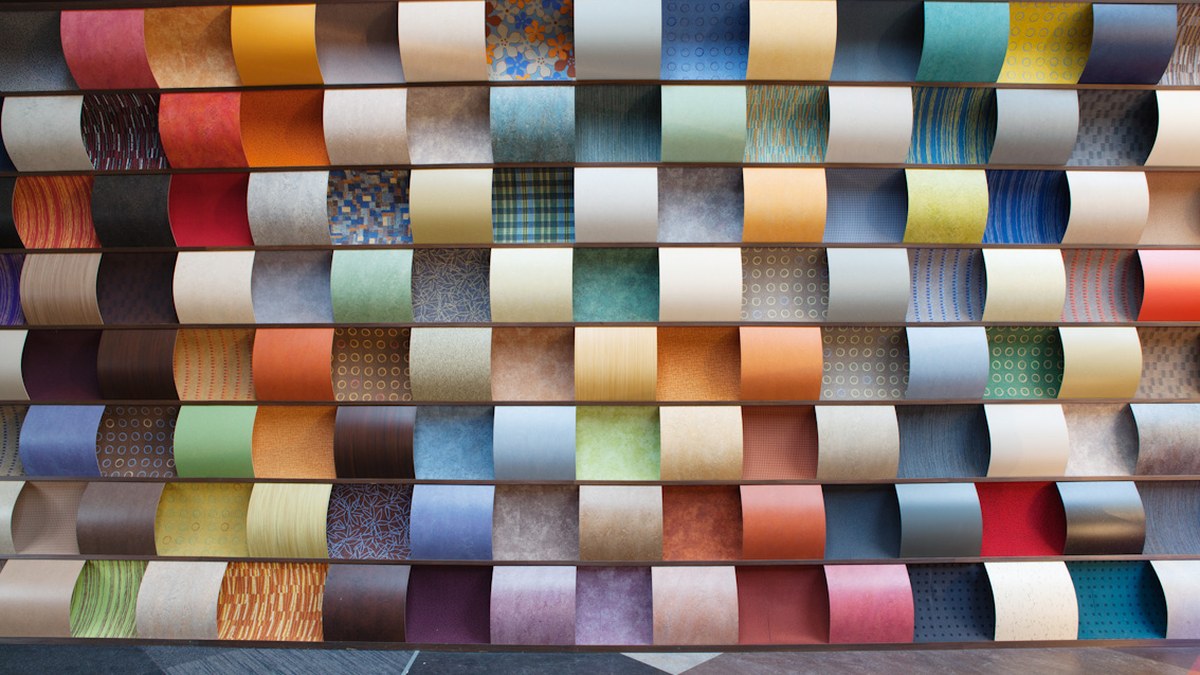
All three floors can look like real wood. What separates them is what happens after year five: water, pets, scratches, and the day you want a fresh surface. This guide compares hardwood, laminate, and vinyl plank on installed cost, durability, water resistance, lifespan, maintenance, and resale value, then tells you exactly which one belongs in each room. For the full per-material price table, see our flooring cost per square foot guide.
Hardwood vs. Laminate vs. Vinyl Plank at a Glance
| Factor | Hardwood | Laminate | Vinyl Plank | Timeline |
|---|---|---|---|---|
| Installed cost per sq ft | $6 to $12 | $3 to $8 | $3 to $10 | Quote to install: 1 to 4 weeks |
| Typical lifespan | 50 to 100 years with refinishing | 15 to 25 years | 15 to 25 years | Hardwood outlasts both by decades |
| Water resistance | Poor. Spills must be wiped up fast. | Water-resistant, not waterproof. Standing water swells seams. | Waterproof core. Best for wet rooms. | Immediate for spills; years for leaks |
| Scratch resistance | Moderate. Scratches can be sanded out. | High. Hard aluminum oxide surface. | Good with a 20 mil or thicker wear layer. | Shows over 3 to 10 years |
| Refinishable | Yes, multiple times | No, replace only | No, replace only | Refinish at year 20 to 25 |
| DIY friendly | Rarely. Nailing, gluing, and sanding take skill. | Yes. Floating click-lock planks. | Yes. Floating click-lock planks. | DIY: 2 to 4 days per room |
| Resale value | Highest. Buyers pay a premium for real wood. | Moderate. Better than worn carpet. | Moderate. Seen as practical, not premium. | Pays off at sale |
| Best rooms | Living room, dining room, bedrooms | Bedrooms, living rooms, hallways | Kitchen, bathroom, basement, laundry | Decide room by room |
Installed ranges above come from our flooring guides: hardwood floor installation cost and vinyl plank flooring cost. Laminate installed figures are a planning estimate based on the comparison ranges published by All American Discount Carpet and HomeFixStyle.
Cost Table: What Each Floor Really Costs Installed
| Floor type | Low (per sq ft installed) | Average (per sq ft installed) | High (per sq ft installed) | Labor share | Materials share | Timeline |
|---|---|---|---|---|---|---|
| Hardwood, solid or engineered | $6 | $9 | $12 | About 35 to 45 percent | About 55 to 65 percent | 2 to 4 days per room |
| Laminate | $3 | $5 | $8 | About 30 to 40 percent | About 60 to 70 percent | 1 to 2 days per room |
| Vinyl plank, SPC or WPC | $3 | $6 | $10 | About 30 to 40 percent | About 60 to 70 percent | 1 to 2 days per room |
Labor and materials shares are planning estimates. Hardwood labor runs higher because nailing, gluing, or site finishing takes more skill and time. Laminate and vinyl plank are mostly floating floors, so labor is faster and cheaper. Quotes that look far below these ranges usually leave out subfloor prep, trims, or old floor removal.
Worked Budget Example: The Same 400 Sq Ft Room, Three Ways
One living room, 400 sq ft, mid-range products, professional install, old carpet removed. Every line item is included so the totals are honest.
Hardwood: $5,700 total, $14.25 per sq ft all-in
| Line item | Cost |
|---|---|
| Prefinished engineered hardwood materials, 400 sq ft at $8 per sq ft | $3,200 |
| Installation labor, 400 sq ft at $4 per sq ft | $1,600 |
| Subfloor prep and underlayment | $300 |
| Trims, transitions, and thresholds | $200 |
| Old carpet removal and disposal | $400 |
| Total | $5,700 |
Laminate: $2,650 total, $6.63 per sq ft all-in
| Line item | Cost |
|---|---|
| Laminate materials, AC4 rated, 400 sq ft at $3 per sq ft | $1,200 |
| Installation labor, 400 sq ft at $2 per sq ft | $800 |
| Underlayment and moisture barrier | $200 |
| Trims, transitions, and thresholds | $150 |
| Old carpet removal and disposal | $300 |
| Total | $2,650 |
Vinyl plank: $3,150 total, $7.88 per sq ft all-in
| Line item | Cost |
|---|---|
| SPC vinyl plank materials, 20 mil wear layer, 400 sq ft at $4 per sq ft | $1,600 |
| Installation labor, 400 sq ft at $2.25 per sq ft | $900 |
| Subfloor prep | $200 |
| Trims, transitions, and thresholds | $150 |
| Old carpet removal and disposal | $300 |
| Total | $3,150 |
All three budgets above are planning estimates built from the installed ranges in the cost table. The all-in per sq ft figures run above the installed-only ranges because removal, prep, and trims are real costs that per sq ft quotes often leave out. Ask every bidder to quote the same five line items so bids compare fairly.
What $3,000, $6,000, and $12,000 Actually Buys
- $3,000 buys a professionally installed laminate or vinyl plank floor in a 400 sq ft room, with money left over for new baseboards. It does not buy hardwood.
- $6,000 buys a professionally installed hardwood floor in a 400 sq ft room, or premium vinyl plank across two rooms. This is the sweet spot for one great room.
- $12,000 buys hardwood in the main living areas plus a hallway, or vinyl plank through most of a small home. At this budget, buy wide-plank or long-plank styles and pay for full subfloor prep.
Budget anchors are planning estimates based on the worked example above.
The 30-Year Cost: Refinish Beats Replace
Upfront price is only half the story. Hardwood can be sanded and refinished. Laminate and vinyl plank cannot. When they wear out, you pay for full replacement, including removal and new labor.
| Floor type | Year 0 install, 400 sq ft | Year 15 to 25 service | 30-year total | Timeline |
|---|---|---|---|---|
| Hardwood | $5,700 | Refinish once at about $1,600, planning estimate | $7,300 | Refinish around year 20 to 25 |
| Laminate | $2,650 | Full replacement at about $2,650, planning estimate | $5,300 | Replace around year 15 to 20 |
| Vinyl plank | $3,150 | Full replacement at about $3,150, planning estimate | $6,300 | Replace around year 20 to 25 |
Over 30 years, laminate stays cheapest and hardwood stays most expensive in cash terms. Hardwood earns its premium back in two ways: it looks better at year 25 after a refinish than a 25-year-old laminate floor ever will, and buyers pay more for homes with real wood floors. If you plan to stay 10 years or less, the cheaper floors usually win. If this is your long-term home, hardwood is the better lifetime buy. Refinish and replacement costs above are planning estimates assuming similar pricing at service time.
Regional Differences
Flooring labor is local. Material prices are fairly similar across the US because big retailers and online sellers ship nationwide, but installer rates follow local wages. The ranges below are illustrative planning estimates, not quotes from a published source.
| Region | Labor vs. national average | What it means for a 400 sq ft room |
|---|---|---|
| Northeast | About 10 to 20 percent higher | Add $200 to $500 to the labor line |
| West, coastal metros | About 10 to 20 percent higher | Add $200 to $500 to the labor line |
| South | At or below average | Labor near the low end of each range |
| Midwest | At or below average | Labor near the low end of each range |
Urban quotes run higher than rural quotes in every region. Get three local bids before trusting any national range.
7 Cost Factors With Real Dollar Impact
- Material tier, $1 to $8 per sq ft swing. Budget laminate starts near $1 per sq ft for materials. Wide-plank white oak hardwood can pass $15 per sq ft for materials alone. The tier you pick moves the total more than any other factor.
- Subfloor condition, $200 to $1,500. Flat, dry subfloors need little prep. Squeaky, uneven, or water-damaged subfloors need leveling, patching, or plywood. Vinyl plank shows every bump, so flatness matters most there.
- Old floor removal, $300 to $800 per room. Carpet comes up fast. Glued-down tile or two layers of old vinyl take much longer. Some installers charge per layer.
- Room shape and waste, 5 to 10 percent of materials. Square rooms waste about 5 percent. Rooms with angles, closets, and doorways waste up to 10 percent. Diagonal hardwood layouts waste the most.
- Stairs, $100 to $300 per step, planning estimate. Stair nosings, risers, and matching treads are fussy work. If your project includes stairs, budget them separately.
- Moisture and concrete slabs, $200 to $1,000. Basements and slab-on-grade homes need moisture testing and barriers. Solid hardwood over a damp slab is a bad idea. Engineered hardwood, SPC vinyl, or laminate with a moisture barrier are safer.
- Trim and transitions, $150 to $500. Baseboards, quarter-round, T-moldings, and reducers add up. Reusing old baseboards saves money but rarely looks clean after a new floor goes in.
What Is Each Floor Made Of? The Spec Decoder
Shopping gets confusing because each floor is measured differently. Here is the decoder that matters at the store.
- Hardwood: Solid hardwood is one piece of wood, usually 3/4 inch thick, that can be refinished many times. Engineered hardwood is a real wood veneer over plywood layers. Thicker veneers, about 3 to 4 mm, can be refinished once or twice. Thin veneers cannot.
- Laminate: A printed photo layer under a hard aluminum oxide coating, over a fiberboard core. The AC rating measures abrasion resistance: AC3 suits moderate residential traffic, AC4 suits heavy residential traffic, and AC5 suits commercial traffic. Buy AC4 or higher for busy homes.
- Vinyl plank: A printed design layer under a clear wear layer, over a vinyl core. The wear layer is measured in mils. Light rooms need 12 mil. Homes with pets and kids need 20 mil or more. The core matters too: SPC, stone plastic composite, is rigid and dent-resistant. WPC, wood plastic composite, is softer and warmer underfoot. Both are waterproof through the core, per Floordi and Portofino Flooring.
Do not compare mil ratings to AC ratings. They measure different coatings on different floors. Compare mil to mil for vinyl, AC to AC for laminate, and veneer thickness for engineered hardwood.
Durability: Pets, Kids, Water, and Sunlight
- Pets: Laminate resists fine scratches from claws best thanks to its hard surface. Vinyl plank with a 20 mil or thicker wear layer is close behind and handles accidents better. Hardwood scratches most easily, but scratches sand out at refinish time. Keep pet nails trimmed whatever you buy.
- Kids: Vinyl plank is the most forgiving. It is softer underfoot, quieter, and waterproof against spills. Laminate is a strong second in dry rooms. Hardwood dents under dropped toys but survives decades of family life.
- Water: Vinyl plank wins clearly. Its core is waterproof, so a dishwasher leak or a bathroom splash will not swell the planks. Laminate swells at seams if water sits. Hardwood warps and stains. No floor survives a long leak, so fix plumbing fast regardless of material.
- Sunlight: Hardwood fades and changes color with sun exposure. Use rugs and window film in sunny rooms. Laminate and vinyl plank hold color better, but cheap vinyl can fade in a sunroom. Ask for UV-stable products for sun-facing rooms.
- Heavy furniture: SPC vinyl resists dents best because its stone core is rigid. Laminate dents less than hardwood. Put felt pads under every leg and use wide casters on rolling chairs.
Room-by-Room Picks
| Room | Best pick | Why |
|---|---|---|
| Kitchen | Vinyl plank, SPC core | Waterproof against spills and leaks, comfortable for standing |
| Bathroom | Vinyl plank, SPC core | Only one of the three that is truly waterproof |
| Basement | Vinyl plank, SPC core | Handles concrete slabs and dampness; solid hardwood is risky here |
| Laundry room | Vinyl plank | Washer leaks happen. Waterproof wins. |
| Living room | Hardwood | Best look, best resale, low water risk |
| Dining room | Hardwood | Chairs slide and scratch, but refinishing fixes it |
| Bedrooms | Hardwood or laminate | Dry, low-traffic rooms. Laminate saves money here. |
| Hallways and stairs | Hardwood or laminate | High traffic. Laminate AC4 or higher, or hardwood with a durable finish |
| Rental property | Vinyl plank or laminate | Low cost, fast install, easy plank replacement between tenants |
Mixing floors is normal. Many homes run hardwood in living areas and vinyl plank in kitchens and bathrooms. Use matching tones and clean transitions so the mix looks planned, not patched.
DIY vs. Hiring a Pro
| Factor | Hardwood | Laminate | Vinyl Plank |
|---|---|---|---|
| DIY skill level, 1 to 5 | 5, expert only | 2, beginner friendly | 2, beginner friendly |
| Tools needed | Nailer or stapler, miter saw, table saw, moisture meter, sander and finishing gear for site-finished floors | Miter saw or jigsaw, tapping block, pull bar, spacers, tape measure | Utility knife, straightedge, tapping block, pull bar, spacers |
| Time for 400 sq ft | Pro: 2 to 4 days. DIY: 5 to 8 days plus finishing and drying time | Pro: 1 to 2 days. DIY: 2 to 3 days | Pro: 1 to 2 days. DIY: 2 to 3 days |
| DIY savings | $1,600 to $3,200 in labor, planning estimate, but mistakes are expensive | $800 to $1,200 in labor, planning estimate | $900 to $1,300 in labor, planning estimate |
| When to hire a pro | Almost always. Nailing patterns, moisture testing, and finishing are easy to get wrong. | Uneven subfloors, stairs, or large open areas with long runs | Uneven subfloors, stairs, or glue-down installs |
DIY laminate and vinyl plank are genuinely doable for a careful first-timer. DIY hardwood is not a good first project. A bad hardwood install cannot be undone without buying the floor twice. Legal and permit limits: flooring itself rarely needs a permit, but the work around it can. Structural subfloor repairs, moving walls, and any electrical work for floor outlets need permits and licensed pros. Never sand old finishes or cut old flooring that might contain asbestos without testing first, and follow EPA RRP lead-safe rules in pre-1978 homes.
Step-by-Step: Installing a Floating Floor
This sequence covers click-lock laminate and vinyl plank, the two DIY-friendly options. Hardwood installation follows a different process and is best left to a pro.
- Acclimate the planks, 48 to 72 hours. Stack unopened boxes flat in the install room. This lets the floor adjust to your home’s temperature and humidity.
- Test moisture and inspect the subfloor, 1 to 2 hours. Check concrete moisture and wood subfloor moisture with a meter. Fix squeaks and level any dip deeper than about 3/16 inch over 10 feet.
- Remove old flooring and baseboards, 2 to 6 hours. Pull carpet, pad, and tack strips. Remove baseboards carefully if you plan to reuse them.
- Install underlayment and moisture barrier, 1 to 2 hours. Roll out underlayment per the product instructions. Overlap seams and tape them. Skip this step only if the product has attached underlayment and the maker says so.
- Plan the layout, 30 to 60 minutes. Measure the room. Stagger end joints by at least 8 inches. Avoid sliver cuts under 2 inches wide at the far wall by shifting the first row.
- Install the field, 4 to 10 hours. Click planks together row by row, working left to right. Leave a 1/4 inch expansion gap at every wall and fixed object.
- Cut around doorways and vents, 1 to 3 hours. Undercut door jambs so planks slide underneath. Fit around vents and pipes with a jigsaw.
- Install trims and transitions, 1 to 2 hours. Add T-moldings at doorways, reducers where the new floor meets a lower floor, and stair nosings if included.
- Reinstall baseboards and clean up, 2 to 3 hours. Nail baseboards to the wall, never to the floor. A floating floor must stay free to expand and contract.
Materials and Tools List
- Flooring planks plus 5 to 10 percent extra for waste and future repairs
- Underlayment and moisture barrier, unless the product includes attached padding
- 1/4 inch spacers
- Tapping block and pull bar
- Miter saw or jigsaw for laminate; utility knife and straightedge for vinyl plank
- Tape measure, pencil, speed square
- Moisture meter
- Trims: T-moldings, reducers, thresholds, stair nosings
- Baseboards and quarter-round
- Felt furniture pads
- Door jamb saw or oscillating tool
- Vacuum and damp mop for final cleanup
Keep one full box of spare planks after the job. Dye lots change, and a matching box is the difference between a 30-minute repair and a mismatched patch.
9 Mistakes That Cost Homeowners Thousands
- Skipping acclimation. Planks installed straight from a cold garage expand later and buckle. Give them 48 to 72 hours in the room.
- Ignoring subfloor flatness. Floating floors bridge small dips, then flex and crack at the joints. Level first. It is cheaper than replacing the floor.
- Skipping the moisture test. A damp slab ruins laminate and warps hardwood. Test every concrete slab, even in dry climates.
- No expansion gap. Floors expand in summer humidity. Without a 1/4 inch gap, planks push against walls and buckle in the middle of the room.
- Buying the thinnest wear layer to save money. A 6 mil wear layer in a house with two dogs is a replacement in five years. Buy 20 mil or thicker for pets and kitchens.
- Putting hardwood in a bathroom or basement. Water always wins eventually. Use vinyl plank in wet rooms.
- Nailing baseboards to a floating floor. The floor must move. Nails pin it down and cause buckling.
- Mixing dye lots. Boxes from different production runs can differ in shade. Check lot numbers before you start and mix boxes as you go.
- Forgetting transitions. Every doorway between floor types needs the right molding. Skipping them leaves exposed edges that chip and trip.
Permits and Safety
- Permits: Replacing a floor surface rarely needs a permit. Structural subfloor repair, joist work, moving walls, and electrical changes do. Check with your local building department before starting anything beyond the floor surface.
- Asbestos: Homes built before 1980 may have asbestos in old vinyl tile, sheet flooring, or mastic. Test before you sand, scrape, or demolish. If the test is positive, hire a licensed abatement contractor.
- Lead paint: In pre-1978 homes, follow EPA RRP lead-safe rules when disturbing painted surfaces such as baseboards and trim.
- Dust: Cutting laminate and grinding concrete create fine dust. Wear an N95 respirator or better, eye protection, and hearing protection. Cut outside when you can.
- Product safety: Look for low-VOC products and check for FloorScore certification or CARB Phase 2 compliance on composite floors. Air out the room for a day after install.
- Codes: Follow the International Residential Code for stair nosing and riser rules, and keep smoke and carbon monoxide detectors working during any renovation.
How to Hire a Flooring Contractor
Get three written bids that list the same line items: materials, labor, prep, removal, and trims. Ask these six questions:
- Are you licensed and insured for flooring work in this state, and can I see the certificates?
- How many floors of this exact type have you installed in the last year?
- What does your moisture testing and subfloor prep include, and what does it cost if the subfloor needs leveling?
- What is your warranty on labor, separate from the product warranty?
- Who handles removal and disposal, and is it in the bid?
- What is the payment schedule, and what exactly triggers the final payment?
Red flags: cash-only pricing, no written contract, pressure to sign today, a bid far below the others, no insurance, no local references, or a contractor who says moisture testing is unnecessary. Verify any license through your state contractor license board lookup before you sign. Search for your state name plus contractor license board to find the official lookup page.
Financing Your New Floor
A flooring project is one of the smaller renovations, and many homeowners pay cash. If you need financing, these are the common options, in general terms:
- Cash or savings: Simplest and cheapest. No interest, no paperwork, no lien on your home.
- Home equity line of credit, HELOC: A revolving line secured by your home equity. You draw what you need and pay interest only on what you use. Rates are variable.
- Home equity loan: A lump sum secured by your home equity, repaid in fixed monthly payments. Rates are usually fixed.
- Cash-out refinance: Replaces your mortgage with a larger one and gives you the difference in cash. It makes sense only if the new mortgage terms work for you overall.
- Personal loan: Unsecured, fast to arrange, and usually carries a higher rate than home-secured options. Best for small projects you can repay quickly.
This is general information, not financial advice. Compare total costs, not just monthly payments, and never borrow more than the project needs.
Resale Value: What the Data Shows
If you’re choosing flooring partly as an investment, hardwood has the stronger track record — but the gap is narrower than hardwood purists claim, and it depends on your market.
What industry reports consistently find
Zonda’s annual Cost vs. Value Report — the remodeling industry’s benchmark for what projects return at resale — has consistently ranked hardwood flooring work among the highest-ROI interior projects in recent editions. Refinishing existing hardwood floors, in particular, has historically posted some of the strongest cost-recouped figures of any interior remodel, because the project cost is modest relative to the buyer appeal it creates. Installing new wood flooring also ranks well above most cosmetic updates.
National Association of Realtors (NAR) remodeling surveys tell the same story from the buyer side: new wood flooring routinely appears near the top of features buyers say they’re willing to pay a premium for, and “hardwood floors throughout” remains one of the most-searched listing phrases in many markets.
Typical value recovery, in plain numbers
- Solid hardwood: Industry analyses typically show 70–100%+ of installed cost recovered at resale, with refinishing projects often exceeding 100% because the base cost is low. In competitive markets, hardwood can be the difference between a bidding war and a price cut.
- Engineered hardwood: Roughly 60–90% recovery. Most buyers and appraisers treat quality engineered wood as “real hardwood” — the distinction matters far less at resale than flooring forums suggest, provided the wear layer is thick and the installation looks professional.
- LVP: Roughly 50–75% recovery. Buyers view quality LVP as a genuine upgrade over carpet, laminate, or sheet vinyl — it absolutely helps a home sell — but it doesn’t command the “hardwood premium” in listing language or appraisals.
The honest caveat: these are national patterns, not guarantees. In Sun Belt markets and rental-heavy neighborhoods, LVP’s value recovery runs closer to hardwood’s because buyers prioritize durability and low maintenance. In the Northeast and Midwest, where buyers expect hardwood in anything above starter-home price points, the hardwood premium is strongest. If you’re selling within 3–5 years, match your neighborhood’s standard — over-improving with walnut in a vinyl-floor neighborhood rarely pays.
The appraiser’s perspective
Licensed appraisers generally categorize flooring in tiers: carpet/laminate at the bottom, LVP and engineered wood in the middle, solid hardwood at the top. The practical effect is usually a few thousand dollars of adjusted value on a typical home — meaningful, but not 1:1 with what you spent. Flooring moves the needle most when it’s part of a coherent, updated whole; a $15,000 wood floor in a dated kitchen won’t appraise like one in a renovated home.
The refinishing math that favors hardwood
A $13,000 solid oak floor that gets refinished twice ($4,000 each time) over 60 years costs about $21,000 total. An LVP floor replaced twice over the same period ($6,000 + two $6,500 replacements, in today’s dollars) costs roughly $19,000 — surprisingly close. The difference: at year 60, the hardwood is a freshly refinished floor adding resale value, while the LVP is on its third lifecycle. Hardwood’s economics improve the longer you stay.
Frequently Asked Questions
Which is better, hardwood or vinyl plank?
Hardwood is better for long-term value, looks, and resale in dry living areas. Vinyl plank is better for kitchens, bathrooms, basements, and any room where water is a risk. Many homes use both, hardwood where it shows and vinyl plank where it gets wet.
Is laminate flooring waterproof?
No. Standard laminate is water-resistant, not waterproof. Spills wiped up quickly are fine, but standing water swells the fiberboard core at the seams. Some newer laminate products are marketed as waterproof. Read the warranty carefully, because many exclude standing water damage.
Does vinyl plank flooring increase home value?
It helps, mostly by replacing worn carpet or dated vinyl with a clean modern floor. It does not add as much value as real hardwood. In mid-market homes, buyers see it as a solid practical floor, not a premium upgrade.
Can you put laminate in a kitchen?
Yes, if you choose a water-resistant product and wipe up spills fast. Vinyl plank is still the safer pick for kitchens because dishwashers and sinks leak. If you choose laminate, seal the perimeter with silicone and keep a mat at the sink.
How long does hardwood flooring last?
A well-maintained solid hardwood floor lasts 50 to 100 years because it can be sanded and refinished several times. Engineered hardwood lasts 20 to 40 years depending on veneer thickness. Laminate and vinyl plank last 15 to 25 years and then need replacement.
What is the cheapest wood-look flooring?
Laminate is the cheapest wood-look floor, at about $3 to $8 per sq ft installed. Budget vinyl plank starts at a similar price. Both look convincing at a glance, but neither matches the feel or resale value of real hardwood.
Does engineered hardwood add as much home value as solid hardwood?
Nearly. Most buyers, agents, and appraisers treat quality engineered hardwood as “real hardwood” — because it is real wood on the surface. The value gap versus solid wood is small (roughly 60–90% cost recovery vs. 70–100%+) and mostly shows up in luxury price tiers where buyers know the difference. What matters far more than solid-vs-engineered is wear-layer thickness, professional installation, and a current, attractive finish.
{
“@context”: “https://schema.org”,
“@type”: “FAQPage”,
“mainEntity”: [
{“@type”: “Question”, “name”: “Is LVP really that much cheaper than hardwood?”, “acceptedAnswer”: {“@type”: “Answer”, “text”: “Yes — roughly half the installed cost. Mid-range LVP installed runs $5–$8 per sq ft versus $10–$14 per sq ft for mid-range hardwood. On a 1,000 sq ft project, that’s a $5,000–$7,000 difference.”}},
{“@type”: “Question”, “name”: “Does LVP actually look like real wood?”, “acceptedAnswer”: {“@type”: “Answer”, “text”: “High-end LVP with embossed-in-register texture fools most people at standing height. Budget LVP is detectable up close. For a convincing wood look, budget $5+/sq ft for premium LVP.”}},
{“@type”: “Question”, “name”: “Can I install LVP over my existing flooring?”, “acceptedAnswer”: {“@type”: “Answer”, “text”: “Often yes — floating LVP can go over level hardwood, tile, or laminate, saving $1–$3/sq ft in tear-out. Not over carpet. Check door clearances, since the added height affects transitions.”}},
{“@type”: “Question”, “name”: “Which flooring is best for homes with dogs?”, “acceptedAnswer”: {“@type”: “Answer”, “text”: “LVP with a 20+ mil wear layer is the practical pick — scratch-resistant, waterproof, and individual planks can be replaced. Harder wood species like hickory with matte finishes are the best wood alternative.”}},
{“@type”: “Question”, “name”: “Does engineered hardwood add as much home value as solid hardwood?”, “acceptedAnswer”: {“@type”: “Answer”, “text”: “Nearly. Most buyers and appraisers treat quality engineered hardwood as real hardwood. The value gap is small; wear-layer thickness and professional installation matter more than solid vs. engineered.”}}
]
}
Which flooring is best for homes with dogs?
LVP with a 20+ mil wear layer is the practical pick for large or active dogs — it resists scratches, won’t absorb accidents, and individual damaged planks can be replaced. That said, many dog owners happily live with harder species like hickory or white oak, accepting that scratches become patina. If you choose wood with pets, pick a matte or low-sheen finish (it hides scratches far better than gloss) and keep nails trimmed.
Bottom Line
Choose hardwood for the rooms where you live and want lasting value, vinyl plank for every room where water shows up, and laminate when you want the wood look on a tight budget in dry rooms. Measure your rooms, get three bids with identical line items, and buy the wear layer your household actually needs. For a full price table across every material, see our flooring cost per square foot guide.
Get 3 quotes: Tell each contractor your floor type, room sizes, and whether old flooring needs removal, then compare the five line items side by side. Ready to start? Contact RenovationGuideHQ and we will point you to the right questions for your project.