By Renovation Guide HQ | Updated October 2026
Quick Answer
Aging in place bathroom design blends safety features with style so your bathroom works for you at every stage of life. The most impactful upgrades are a curbless walk-in shower, securely mounted grab bars, a comfort-height toilet, slip-resistant flooring, and a fold-down shower bench. A focused aging-in-place bathroom retrofit typically costs $9,000 to $25,000 in 2026, with most full retrofits landing between $15,000 and $25,000. Smaller safety-only upgrades, such as grab bars, better lighting, and lever handles, can run under $1,500. Here are the best safety ideas, stylish universal design choices, and real 2026 costs to plan your project.
Safety Feature Ideas
Most bathroom injuries among older adults involve falls, and the bathroom is one of the highest-risk rooms in the house because of wet surfaces, tight spaces, and hard fixtures. The CDC reports that roughly one in four adults age 65 and older falls each year. These safety features address the real risks without turning your bathroom into something that looks clinical.
Curbless Walk-In Shower
A curbless (zero-threshold) shower has no lip or step to climb over, so you can walk or roll straight in. This is the single most transformative aging-in-place upgrade. It eliminates the highest trip hazard in the bathroom and makes the room accessible for walkers, wheelchairs, and anyone with limited mobility. A curbless shower also makes a small bathroom feel larger because the floor flows continuously.
Converting a tub or standard shower to a curbless shower typically costs $2,000 to $7,000 in 2026, depending on tile choice, waterproofing, and whether the floor needs to be recessed for proper drainage slope. A fully custom curbless shower with linear drain and frameless glass can reach $5,000 to $12,000. Plan for a shower footprint of at least 36 by 36 inches, with 36 by 48 inches being far more comfortable. Proper waterproofing is non-negotiable: use a liquid or sheet membrane under the tile and slope the floor a quarter inch per foot toward the drain.
Grab Bars That Look Good
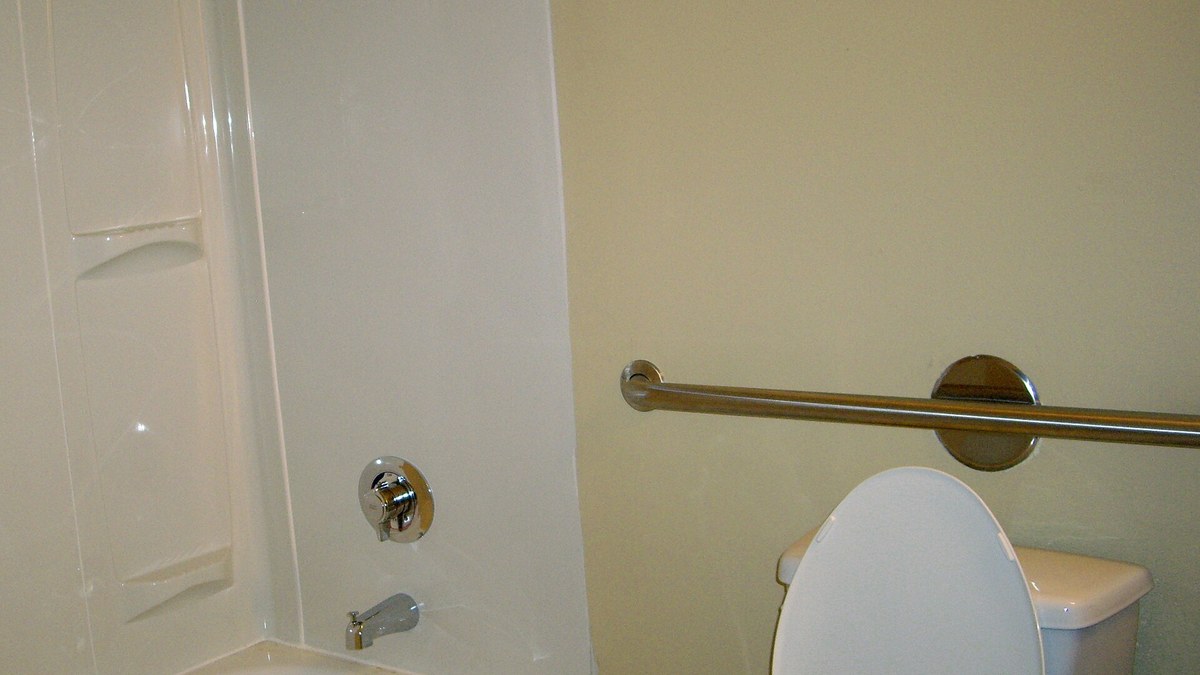
Grab bars are the highest-value safety purchase in the bathroom. They cost little, prevent serious injuries, and, contrary to the old hospital stereotype, modern grab bars come in brushed nickel, matte black, and oil-rubbed bronze finishes that match your faucet fixtures. Place bars by the toilet, inside the shower, and at the tub entry. Never grab a towel bar or shower door for support: they are not rated for body weight.
Follow the standard mounting guidelines: bars should sit 33 to 36 inches above the floor, have a diameter of 1.25 to 1.5 inches, and stand 1.5 inches off the wall so you can wrap your fingers around them. They must anchor into wall studs or reinforced blocking, never just drywall. Professional installation runs $150 to $400 per bar in 2026. If you are remodeling anyway, have your contractor add wood blocking behind all bathroom walls now. It costs almost nothing during construction and makes future bar installation easy.
Walk-In Tub
A walk-in tub has a watertight door so you can step in and sit down instead of climbing over a high tub wall. Seated soaking is safer for anyone with balance issues, and most models offer hydrotherapy jets and heated seats. The trade-off is time: you must sit in the tub while it fills and drains, which can take several minutes, and the door can only open once the tub is nearly empty.
Walk-in tub installation averaged about $8,000 in 2026, with most homeowners spending between $4,000 and $15,000 for a complete project (Angi 2026). Premium jetted models can reach $20,000 or more. Hidden costs to budget for: permits ($100 to $500), a larger water heater if your current one cannot fill a 50 to 80 gallon tub ($800 to $3,000), possible floor reinforcement, and demolition of the old tub ($300 to $1,000). Choose a standard 60-inch model that fits your existing alcove to keep costs at the low end of the range.
Fold-Down Shower Bench
A shower bench lets you sit while bathing, which cuts fall risk dramatically and reduces fatigue. Fold-down benches attach to the wall and fold flat when not in use, saving space in smaller showers. Look for teak or phenolic-resin seats rated for at least 250 pounds, mounted to studs or blocking. A quality fold-down bench costs $150 to $500 installed. For roll-in or curbless showers, leave at least 30 inches of clear bench space plus room beside it for a helper if needed.
Comfort-Height Toilet
Comfort-height (also called right-height or chair-height) toilets have a seat 17 to 19 inches off the floor, about 2 to 3 inches higher than a standard toilet. That small difference makes sitting down and standing up noticeably easier on knees and hips. Installation costs $200 to $600 in 2026, including the toilet and labor if no plumbing moves are needed. Add grab bars on one or both sides of the toilet for extra support.
Slip-Resistant Flooring
Wet tile is the most common fall trigger in the bathroom. Choose flooring with a high coefficient of friction: textured porcelain tile, small-format mosaic tile (more grout lines means more grip), luxury vinyl plank rated for wet areas, or sheet vinyl with a textured finish. Porcelain tile installed in a bathroom typically runs $10 to $20 per square foot, while quality LVP runs $5 to $12 per square foot installed. Avoid polished marble and glossy large-format tile in wet zones. Add non-slip mats inside and outside the shower as a cheap extra layer of protection.
Better Lighting
Vision changes with age, and poor lighting causes missed steps and misjudged distances. Layer your bathroom lighting: bright overhead light, even vanity lighting at face level, and a motion-activated nightlight so no one walks to a dark bathroom at night. LEDs in the 2700K to 3000K range are flattering and easy on aging eyes. A simple electrician visit to add or upgrade lighting runs $150 to $500, and plug-in motion-sensor nightlights cost under $20.
Wider Doorway and Lever Handles
A 32-inch clear doorway is the minimum for walker or wheelchair access; 36 inches is better. Widening a bathroom door typically costs $500 to $1,500 in 2026. Replace round doorknobs with lever handles throughout the house: they are easier for arthritic hands and cost $20 to $80 per door installed. Lever-style faucet handles work the same way in the bathroom.
Stylish Universal Design Ideas
Universal design means a space that works for everyone, regardless of age or ability, without looking like a medical facility. These ideas prove that accessible can also be beautiful.
Floating Vanity
A wall-mounted floating vanity leaves open floor space beneath it, which accommodates a wheelchair or seated user and makes the bathroom feel bigger. It also eliminates the toe-kick trap where feet catch on cabinet bases. Mount the vanity top at 32 to 34 inches high with knee clearance underneath. A quality floating vanity costs $500 to $2,500 plus $200 to $500 for installation.
Designer Grab Bars
Coordinate grab bars with your fixture finish so they read as design elements. Many manufacturers now offer grab bars in champagne bronze, matte black, and brushed gold that match their faucet lines. Some double as towel bars or toilet-paper holders, so the safety feature hides in plain sight. Budget $100 to $300 per designer bar plus installation.
Linear Drain Curbless Shower
A linear drain sits in a single line at the back or side of the shower, allowing a clean single-slope floor that works with large-format tile. The result is a sleek, modern shower with zero threshold that happens to be fully accessible. Linear drains cost $100 to $400 for the drain body plus the shower build-out described above. This is the look most 2026 design magazines feature for accessible showers.
Handheld Showerhead on a Slide Bar
A handheld shower on an adjustable slide bar serves seated and standing users, helps rinse the shower for cleaning, and is useful for washing pets or children too. Slide-bar sets cost $80 to $300 at retailers like Home Depot. Make sure the hose is at least 60 inches long and the mounting bar is screwed into studs or blocking.
Contrast and Color for Visibility
Depth perception and contrast sensitivity decline with age, which makes an all-white bathroom genuinely harder to navigate. Add visual contrast: a darker floor against lighter walls, contrasting grab bars against tile, a colored toilet seat edge, and lever handles that stand out from the door. This costs nothing extra if you plan it into your finish selections.
Smart Bathroom Tech
Motion-sensor lighting, voice-controlled faucets, and smart toilets with heated seats and automatic flushing add convenience and hygiene. A smart toilet costs $500 to $2,500 installed. Automatic nightlights and voice assistants cost under $100. Technology should supplement, never replace, physical safety features like grab bars and non-slip floors.
Cost Guide: Aging-in-Place Bathroom Remodel
Aging-in-place bathroom projects fall into three tiers. Most full retrofits land between $15,000 and $25,000 in 2026 (Block Renovation 2026), while simpler accessible refreshes run $9,000 to $18,000 (Miami-area 2026 market data). Zonda’s Cost vs. Value data puts a full universal-design bathroom at about $46,000, recouping roughly 57 percent at resale: lower than a standard remodel, but this scope buys daily safety, not resale return.
| Project Tier | Typical Scope | 2026 Cost Range |
|---|---|---|
| Safety refresh | Grab bars, lighting, lever handles, non-slip mats, comfort-height toilet | $1,000-$3,500 |
| Accessible remodel | Tub-to-shower conversion, grab bars, bench, new flooring, comfort-height toilet | $9,000-$18,000 |
| Full aging-in-place retrofit | Curbless shower, walk-in tub or roll-in shower, widened doorway, floating vanity, full tile | $15,000-$25,000 |
| Universal design suite | Full ADA-style primary bath with roll-in shower, premium finishes | $25,000-$46,000+ |
Individual Feature Costs
- Grab bars (per bar, installed): $150-$400
- Curbless shower conversion: $2,000-$7,000
- Walk-in tub (installed): $4,000-$15,000 (avg. ~$8,000)
- Fold-down shower bench: $150-$500
- Comfort-height toilet (installed): $200-$600
- Slip-resistant flooring (installed): $5-$20 per sq ft
- Doorway widening: $500-$1,500
- Handheld shower with slide bar: $80-$300
- Lighting upgrades: $150-$500
- Lever handles (per door): $20-$80
All figures are planning ranges, not quotes. Labor rates vary 20 to 40 percent by region, with coastal metros at the high end and the South and Midwest at the low end. Always get three written estimates from licensed contractors before committing.
FAQ
What is the most important aging-in-place bathroom upgrade?
A curbless walk-in shower with grab bars. It removes the biggest fall hazard (climbing over a tub wall) and is the upgrade homeowners report being happiest with. If budget is tight, start with grab bars and better lighting: they deliver the most safety per dollar.
How much does it cost to make a bathroom wheelchair accessible?
A basic wheelchair-friendly refresh runs $9,000 to $18,000. A full roll-in shower conversion with widened doorways and a floating vanity typically costs $15,000 to $25,000. True ADA-style primary suites with premium finishes can reach $46,000.
Are walk-in tubs worth the cost?
They are worth it if seated soaking matters more than quick showers: walk-in tubs average about $8,000 installed (Angi 2026), and the seated entry is far safer than a standard tub. They are not worth it if you value speed, because filling and draining takes several minutes and you must sit through both. Compare against a curbless shower at $2,000 to $7,000 before deciding.
Do aging-in-place renovations increase home value?
Modestly. Universal-design remodels recoup roughly 57 percent of their cost at resale, below a standard midrange bathroom remodel. But they dramatically expand your buyer pool as the population ages, and a stylish accessible bathroom is a selling feature, not a liability. The real return is the ability to stay safely in your home.
Can I do aging-in-place upgrades without a full remodel?
Yes. The best low-cost weekend projects are grab bars mounted to studs ($150-$400 each), motion-sensor nightlights (under $20), lever door and faucet handles ($20-$80 each), a comfort-height toilet ($200-$600), and non-slip mats. These can make a bathroom significantly safer for under $1,500 total.
How We Researched This
Cost ranges in this guide are planning estimates based on 2026 US market data from Angi (walk-in tub average ~$8,000; installation ranges $4,000-$15,000), Block Renovation’s 2026 bathroom cost guide (aging-in-place retrofit $15,000-$25,000), ConsumerAffairs 2026 walk-in tub data, Home Depot 2026 retail pricing for fixtures and safety products, and Zonda’s 2025 Cost vs. Value report (universal-design bathroom benchmark). Safety guidance follows widely published standards: ADA mounting heights for grab bars (33-36 inches), the NKBA’s universal design planning guidelines for clearances, AARP’s aging-in-place research on older adults’ strong preference to remain at home, and CDC fall-prevention data. Your actual costs will vary by region, home condition, and contractor. Get at least three written estimates, and check with your local building department about permits before starting structural work.
Related guide: For older homeowners the bathing choice matters most — see our walk-in shower vs tub comparison for the safety and access angles.