Quick Answer
The best bathroom floor materials in 2026 are porcelain tile ($10–$20 per sq ft installed), ceramic tile ($7–$15 per sq ft installed), and waterproof LVP ($5–$9 per sq ft installed). Natural stone ($15–$50 per sq ft installed) is the luxury pick. Electric heated floors add $8–$15 per sq ft installed on top of the flooring cost. For a typical 5×8 bathroom (40 sq ft), expect $600–$800 for budget LVP, $1,200–$1,600 for mid-range porcelain tile, and $2,000–$3,500+ if you add radiant heating. These are 2026 US planning ranges, not quotes — always get 2–3 written estimates.
Bathroom Flooring Material Comparison (2026)
| Material | Installed Cost / Sq Ft | Waterproof? | Lifespan | Best For |
|---|---|---|---|---|
| Porcelain tile | $10–$20 | Yes (tile + sealed grout) | 50+ years | Showers, high-moisture baths, resale value |
| Ceramic tile | $7–$15 | Yes (sealed grout needed) | 30–50 years | Budget tile look, walls + floors |
| LVP / LVT (SPC core) | $5–$9 | Yes (rigid SPC core) | 15–25 years | Warm underfoot, DIY-friendly, rentals |
| Natural stone | $15–$50 | Yes (must be sealed) | 75–100 years | Luxury primary baths |
| Electric heated floor | $8–$15 add-on | N/A (under-tile system) | 25–35 years | Cold-climate comfort under tile or stone |
Every bathroom floor is a system, not just a surface. The visible tile or plank is only the top layer — underneath you need a rigid, waterproof base (cement backer board or an uncoupling membrane, $2.50–$6 per sq ft), proper slope toward the drain in curbless showers, and sealed transitions at the tub, toilet flange, and doorway. Skip the waterproofing layer and even the best tile will fail.
1. Porcelain Tile: The Gold Standard
Porcelain is the densest, hardest, most water-resistant man-made tile you can buy — which is why it dominates 2026 bathroom designs. It is fired at higher temperatures than ceramic, so the body is nearly impervious to water (less than 0.5% absorption), and the color often runs through the full thickness, so chips are less visible.
What It Looks Like in 2026
- Large-format planks: 12×24 and 24×48 porcelain that mimics oak, walnut, or weathered barn wood — you get the warmth of wood with zero swelling. Fewer grout lines means a calmer, larger-feeling room.
- Marble looks: White-and-gold veined porcelain that reads as Calacatta marble at a fraction of the price and maintenance. Glossy finishes bounce light around small baths; matte finishes hide water spots.
- Terrazzo patterns: Speckled, confetti-chip porcelain in warm beiges and greys — the most requested “designer but livable” look of 2026.
- Textured and 3D: Fluted, ribbed, and softly undulating tiles that catch light like fabric. Best on accent areas; keep grout lines tight.
Costs
Porcelain tile materials run $3–$12 per sq ft depending on size, finish, and brand; professional installation typically lands at $10–$20 per sq ft all-in for a bathroom floor. Intricate patterns (herringbone, basketweave) and mosaics push labor higher because every cut takes time. Angi’s 2026 data puts the average porcelain tile project around $1,900 total, with small bathrooms at the low end of the range.
Watch-outs
Porcelain is cold and hard underfoot (see the heated floor section for the fix), and grout needs sealing — unsealed grout stains and absorbs moisture. Keep one spare box of tile for future repairs; dye lots change and a cracked tile is much easier to replace when you have a match.
2. Ceramic Tile: The Budget-Friendly Classic
Ceramic is porcelain’s softer, more affordable cousin. It is easier to cut (a plus for DIY), comes in the widest range of colors and glazes, and costs meaningfully less. The tradeoff: higher water absorption, so it is best on bathroom floors outside the shower pan itself, and always with sealed grout.
What It Looks Like in 2026
- Glossy subway and squares: Handmade-look zellige-style ceramic in warm whites, sage, and dusty blue — soft color variation that makes a small floor feel artisanal.
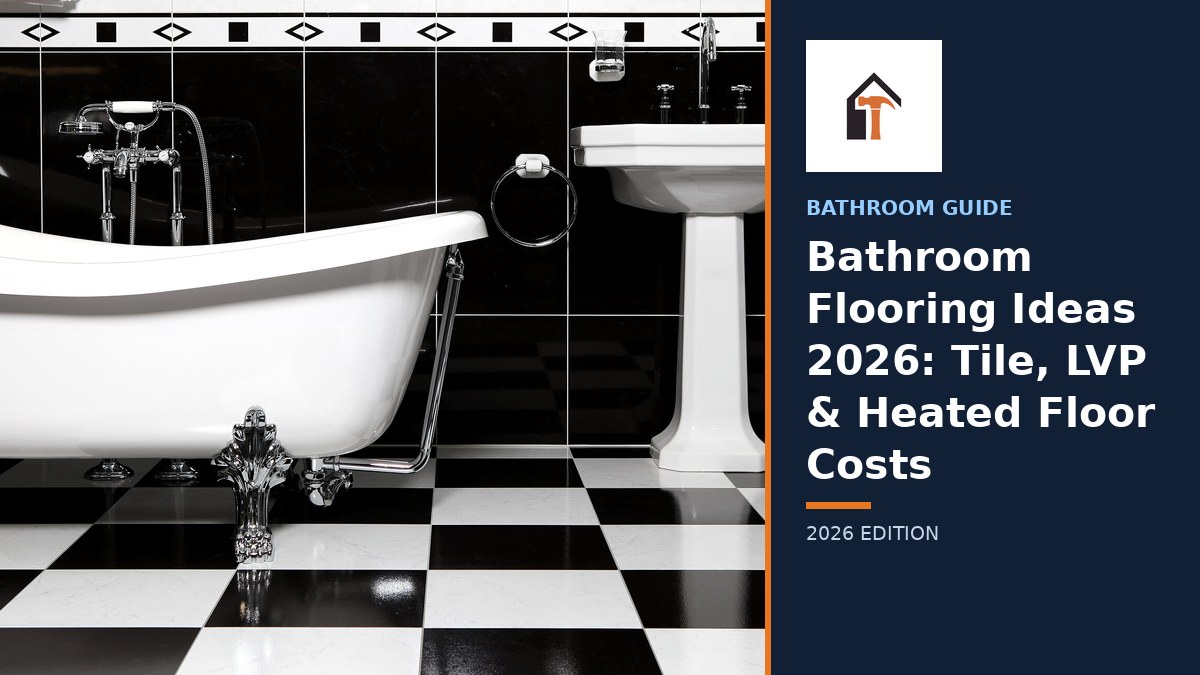
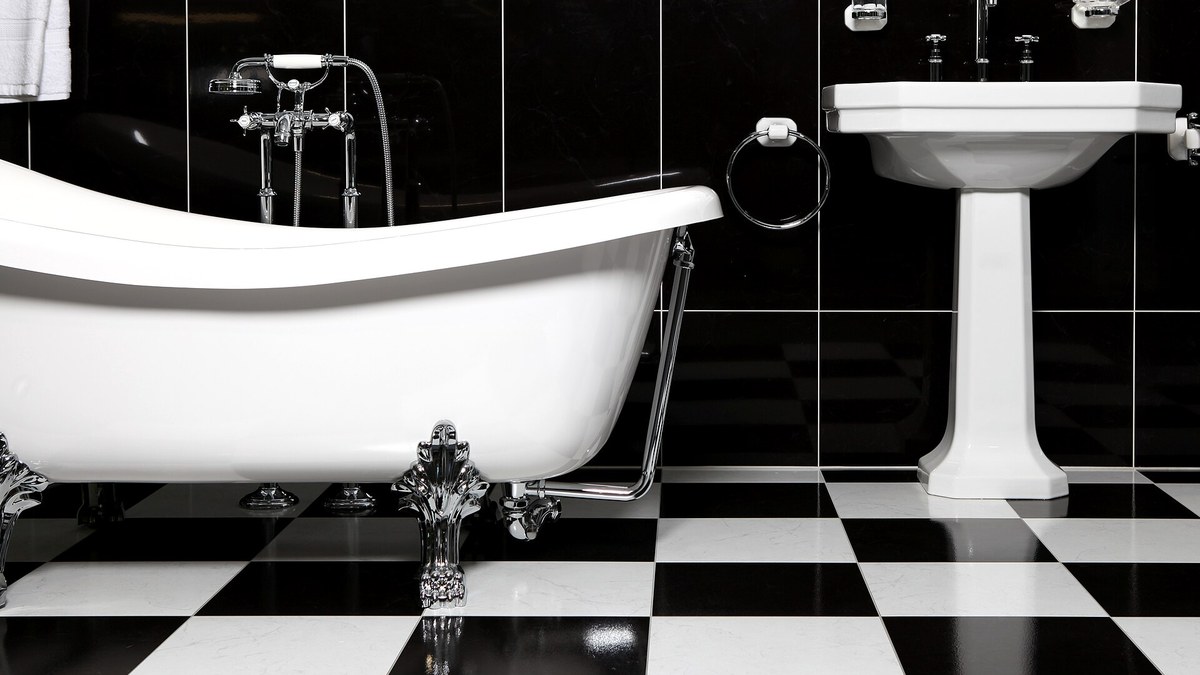
- Encaustic patterns: Bold black-and-white or blue-and-white patterned ceramic that turns a plain 5×8 bath into a statement room. Patterned tile hides dirt between cleanings, a genuine practical bonus.
- Penny rounds and hexagons: Classic shapes that add grip (more grout lines = more traction) and vintage charm.
Costs
Ceramic materials cost $2–$8 per sq ft; installed, expect $7–$15 per sq ft. Because ceramic cuts easily, labor sometimes runs slightly less than porcelain for simple layouts.
3. LVP / LVT: Warm, Waterproof, and DIY-Friendly
Luxury vinyl plank (wood looks) and luxury vinyl tile (stone looks) with a rigid SPC (stone-plastic composite) core are 100% waterproof — the key upgrade over old sheet vinyl and laminate. Click-lock floating installation means no mortar, no grout, and no multi-day cure time.
What It Looks Like in 2026
- Wide-plank oak: 7–9 inch wide planks with realistic grain embossing and beveled edges that read as real hardwood until you touch them. The most popular bathroom choice for a spa-warm feel.
- Stone and concrete looks: LVT squares mimicking travertine, slate, or polished concrete — softer and warmer than the real thing.
- Herringbone vinyl: Glue-down LVT in herringbone patterns for a high-end look at mid-range cost.
Costs
LVP materials run $2.50–$5 per sq ft; installed, $5–$9 per sq ft is the typical 2026 range, with premium rigid-core products at the top. A 40 sq ft bathroom often totals $550–$800 including basic prep. DIY click-lock installation is genuinely achievable for a handy homeowner — budget $100–$200 in tools (tapping block, spacers, utility knife, jamb saw) and a weekend.
Watch-outs
Choose SPC (rigid) core, not flexible WPC, for bathrooms — it resists dents and temperature swings better. LVP cannot be refinished; when it wears out in 15–25 years, you replace it. And while the planks are waterproof, water can still seep through seams at the tub edge or toilet base if caulking fails — seal all wet-area transitions with 100% silicone.
4. Natural Stone: The Luxury Statement
Marble, travertine, slate, and limestone bring one-of-a-kind veining and a cool, solid feel no manufactured product fully replicates. Stone is also the most demanding option: it must be sealed at installation and resealed every 1–2 years, some stones etch from acidic cleaners, and softer stones can scratch.
What It Looks Like in 2026
- Honed marble: Soft-matte white or grey marble with quiet veining — less slippery and less showy than polished, and it hides etching better.
- Tumbled travertine: Warm, pitted, old-world texture that suits Mediterranean and farmhouse designs.
- Slate and quartzite: Dark, moody, naturally slip-resistant — dramatic in a primary bath with good lighting.
Costs
Stone materials run $5–$30 per sq ft; installed, $15–$50 per sq ft depending on the stone and pattern complexity. Sealing adds roughly $1–$2 per sq ft at install. Budget for professional installation only — stone lippage (uneven edges) and breakage make this a poor DIY candidate.
5. Design Ideas That Make Small Bathrooms Feel Bigger
- Run large tiles wall-to-wall: 12×24 or larger tiles with tight 1/16″ grout joints visually expand a small floor. Fewer lines, calmer room.
- Match floor and shower tile: Carrying the same porcelain from the bathroom floor into a curbless shower erases the visual boundary and makes the whole room read as one space.
- Diagonal or offset layouts: A 45-degree diagonal layout tricks the eye into seeing more square footage. Adds about 10–15% waste to your material order — buy accordingly.
- Wood-look planks, vertical stack: Running wood-look porcelain planks toward the far wall draws the eye deep into the room.
- Bold patterned insets: A “rug” of encaustic-look tile in the center of a neutral floor — high impact, contained cost since the field tile stays cheap.
- Warm it up: Pair cool grey tile with a wood vanity and warm 3000K lighting so the room never feels clinical.
Heated Bathroom Floor Cost Breakdown (2026)
Electric radiant heating is the single most-loved bathroom upgrade in cold climates — warm tile on a winter morning changes how a bathroom feels. It installs under the tile or stone, so it is cheapest to add during a floor replacement, when the old floor is already up.
| System | Material Cost / Sq Ft | Installed Cost / Sq Ft | Best For |
|---|---|---|---|
| Electric mat (pre-spaced mesh) | $5–$12 | $8–$15 | Rectangular bathrooms, fastest install, DIY-friendly layout |
| Electric cable (loose wire) | $5–$12 | $8–$15 | Odd-shaped rooms, around fixtures, custom layouts |
| Cable + uncoupling membrane | $15–$20 | $18–$25 | Waterproofing + crack isolation + heat in one layer |
| Hydronic (hot water tubes) | $10–$15 | $14–$20 | Whole-home systems, new construction, large areas |
Real-World Totals by Bathroom Size
| Bathroom | Heated Area | Typical Total (Electric Mat) |
|---|---|---|
| Powder room | ~20 sq ft | $150–$500 |
| Standard 5×8 bath | ~40 sq ft | $400–$1,000 |
| Small primary bath | ~60 sq ft | $700–$1,800 |
| Large primary bath | ~100 sq ft | $1,200–$3,000 |
Line Items People Forget
- Programmable thermostat: $100–$300. A floor-sensing thermostat is required — air-only thermostats cannot safely control radiant floors. Smart models let you schedule warm-up before your morning shower and cut energy use the rest of the day.
- Electrical hookup: $200–$500 for an electrician to connect the system to the panel. Most codes require a dedicated circuit; if your panel is full, a sub-panel or upgrade adds cost.
- Floor insulation: $1–$3 per sq ft for insulation boards under the heating element. On a slab or over an unheated space, insulation dramatically improves heat-up time and efficiency — skipping it is the most common regret.
- Operating cost: Electric radiant typically costs $5–$15 per month to run in a bathroom with a programmable thermostat, depending on local electricity rates and how many hours it heats.
Tile and stone conduct heat beautifully and are the ideal partners for radiant systems. LVP works only if the manufacturer approves it for radiant heat — check the specs, because excessive heat can damage vinyl. Never put radiant heat under carpet in a bathroom, and never install it under permanent fixtures like the vanity or toilet.
Waterproofing Requirements (Don’t Skip This)
Bathroom floors fail from the bottom up. Water finds the subfloor through grout, caulk gaps, and the toilet flange — and by the time you see damage, the repair is a full tear-out. A proper waterproofing assembly includes:
- Rigid substrate: Cement backer board or an uncoupling membrane over the subfloor ($2.50–$6 per sq ft installed). Tile bonded directly to plywood or OSB will crack as the wood moves with humidity.
- Waterproof membrane: Liquid-applied or sheet membrane on the floor — mandatory inside the shower, strongly recommended across the whole bathroom floor. The uncoupling-membrane-plus-heating-cable products combine this layer with radiant heat.
- Sealed transitions: 100% silicone (not grout, not latex caulk) at every change of plane: tub-to-floor, wall-to-floor, around the toilet base, and at the doorway threshold.
- Toilet flange height: After adding backer board + tile, the flange must sit about 1/4″ above the finished floor. Too low and the wax ring fails; too high and the toilet rocks. A flange extender ring ($10–$20) fixes it.
- Grout sealing: Cement grout must be sealed after curing (usually 48–72 hours) and resealed every 1–2 years in wet areas. Epoxy grout costs more upfront ($1–$3 per sq ft extra in labor) but never needs sealing and resists staining — worth it in showers.
If your quote does not mention a membrane or backer board, it is not a complete quote. This layer is the difference between a floor that lasts decades and grout that cracks in the first year.
What a 5×8 Bathroom Floor Actually Costs (Worked Example)
A standard 5×8 bathroom has about 40 sq ft of floor. Here is what the full job looks like at three tiers, including basic tear-out and waterproofing:
| Budget (LVP) | Mid-Range (Porcelain) | Premium (Stone + Heat) | |
|---|---|---|---|
| Materials | $150–$250 | $200–$500 | $400–$1,200 |
| Waterproofing / backer | $100–$200 | $150–$300 | $200–$400 |
| Labor | $200–$350 | $450–$700 | $700–$1,200 |
| Heated floor add-on | — | — | $400–$1,000 |
| Tear-out of old floor | $100–$250 | $150–$350 | $200–$400 |
| Total | $550–$1,050 | $950–$1,850 | $1,900–$4,200 |
DIY vs Pro
DIY makes sense for:
- Click-lock LVP: The most DIY-friendly bathroom floor. Floating installation, minimal tools, and a forgiving material. Budget a full weekend for a small bath including trim.
- Simple ceramic tile layouts: Straight-lay ceramic on a well-prepped floor is achievable if you already own or can rent a wet saw ($50–$75/day). Your first tile job will be slower than you think — plan 2–3 days for 40 sq ft.
Hire a pro for:
- Porcelain, large-format, and stone: Lippage, breakage, and layout complexity punish beginners. A pro’s layout (centering, cut placement, grout joint consistency) is visibly better.
- Shower pans and curbless showers: Waterproofing a shower floor is unforgiving — one low spot or missed seam means a leak inside the wall. This is pro-only work.
- Heated floors: The mat layout is DIY-able, but the electrical connection must be done by a licensed electrician in most jurisdictions, and many areas require a permit and inspection.
- Any subfloor damage: Rot, mold, or an uneven subfloor turns a flooring job into a carpentry job. Fix the structure first.
DIY savings run roughly $3–$6 per sq ft in labor on LVP and $8–$12 per sq ft on tile — but a failed tile job costs more to fix than hiring a pro in the first place. Honest self-assessment beats optimism here.
Frequently Asked Questions
What is the best flooring for a bathroom?
Porcelain tile is the best all-around choice: fully waterproof, extremely durable (50+ years), and available in every style from wood looks to marble looks at $10–$20 per sq ft installed. Waterproof SPC-core LVP ($5–$9 installed) is the best budget and comfort pick — warmer and softer underfoot, and much easier to install. Avoid solid hardwood and laminate in full bathrooms; neither tolerates standing water.
Can you put LVP in a bathroom with a shower?
Yes — rigid SPC-core LVP is 100% waterproof and widely used in bathrooms. The critical detail is sealing: use 100% silicone at the tub/shower edge, around the toilet base, and at the doorway so water cannot get under the planks. Check that your specific product is approved for wet areas, and never install LVP inside a shower pan itself.
How much does it cost to add heated floors to an existing bathroom?
As a retrofit during a floor replacement, electric radiant heat costs $8–$15 per sq ft installed — roughly $400–$1,000 for a standard 5×8 bathroom, plus $100–$300 for a programmable thermostat and $200–$500 for the electrical hookup. Adding it without replacing the floor is rarely practical, since the system sits under the tile. Time it with your flooring project.
Is heated bathroom flooring worth it?
In cold climates, most homeowners say yes — it is consistently rated one of the highest-satisfaction bathroom upgrades for its cost. It will not heat the whole room (it warms the floor, not the air), so keep your main heat source. With a programmable thermostat, operating costs run about $5–$15 per month for a bathroom. For resale, it is a “delight” feature rather than a value driver: buyers love it, but it rarely pays for itself the way a full remodel does.
Do I need to waterproof a bathroom floor outside the shower?
Yes. Water escapes every shower — through the door, on feet and towels, and as steam that condenses on cool surfaces. A waterproof membrane or uncoupling membrane across the full floor ($2.50–$6 per sq ft), cement backer board under tile, sealed grout, and silicone at every transition are standard best practice. The shower pan gets the heaviest waterproofing, but the rest of the floor should not be bare subfloor under tile.
How We Estimated These Costs
Cost ranges in this guide are planning estimates for 2026 US projects, cross-checked against Angi’s 2026 flooring and heated-floor cost data, Home Depot and Lowe’s 2026 retail material pricing, and contractor-published installed-price guides. Flooring is one of the most region-sensitive trades: expect metro areas to run 20–40% above national averages, and small bathrooms to carry higher per-square-foot costs because of minimum job charges. Figures exclude structural repairs, plumbing moves, and premium designer tile lines unless noted. These are budgeting ranges, not quotes — get 2–3 written estimates from licensed local installers before committing.
By Renovation Guide HQ — October 2026